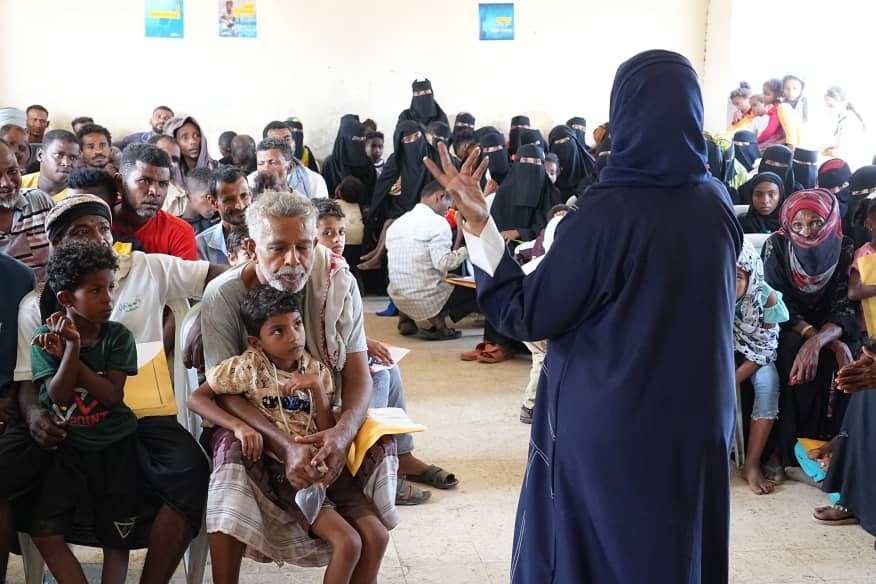
The Yemeni Coalition for Monitoring Human Rights Violations (YCMHRV), in cooperation with the Executive Unit for IDPs Camps Management and with the DT Institute funding, organized on Friday, 25 April 2025, a seminar on the legal and psychological awareness, in the interim capital, Aden, for child victims of displacement and their families on the six grave violations and mechanisms for addressing them.
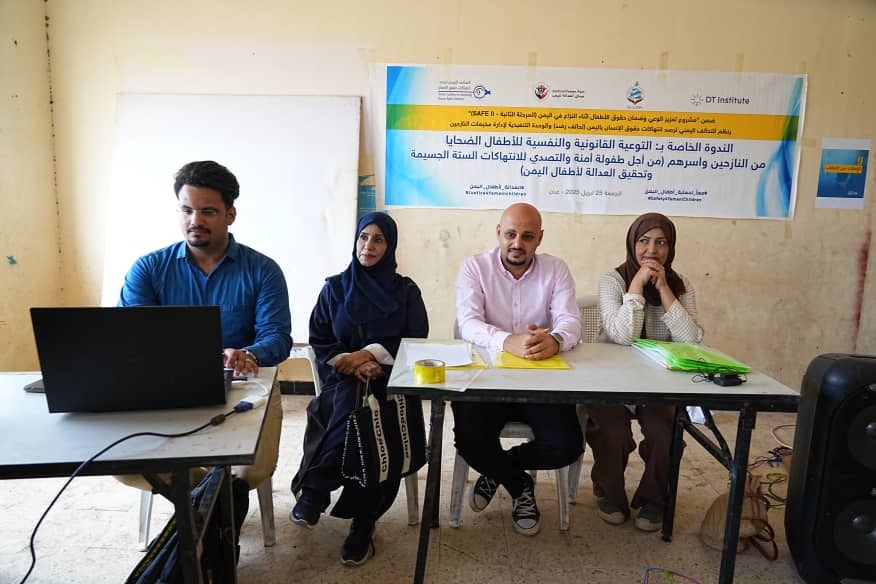
The seminar, "For a Safe Childhood, Addressing the Six Grave Violations, and Achieving Justice for Yemen's Children took place at the Ammar bin Yasser IDP Camp in Dar Sa'd District. The event featured three working papers presented by experts on human rights issues and included a screening of an awareness-raising film about the six grave violations against children.
The first paper was presented by Judge and legal researcher Amr Al-Abdali, who addressed awareness of the six grave violations against children. The second paper was presented by Judge Ishraq Al-Maqtari, a member of the National Committee to Investigate Alleged Human Rights Violations, who addressed accountability mechanisms. The third paper, presented by academic and human rights activist Dr. Rania Khaled, addressed psychological and social support for child victims of violations.
During the opening, the Rasd Coalition representative delivered a speech in which he stated that this seminar "comes within the activities of Supporting Awareness, Facilitating Enforcement of Children's Rights in the Yemeni conflict Phase II (SAFE II) project, which is implemented with the DT Institute funding and technical supervision and support." He added: "It also comes in response to the situation of children's rights in Yemen, especially with the ongoing war, which has entered its tenth year, and with the deterioration of the critical humanitarian situation suffered by displaced children and their families as a result of the armed conflict."
Rasd Coalition stressed that: "it always believes and affirms that the first and most important step to safeguard and protect the rights of victims begins with monitoring and documenting violations, to bring the perpetrators to justice." The speech also highlighted the need to continue efforts and pressure to activate accountability for perpetrators of violations, as well as to advocate for children's rights and contribute to effective interventions to protect and care for children in Yemen, provide psychological, social, and legal support, and reintegrate them into society. It also urged families and relatives to protect their children and report the six grave violations to which they are subjected.
In his paper, Judge Amr Al-Abdali presented a comprehensive overview of the six violations in a simplified manner that is consistent with the nature of the target group. He discussed the right to life in international and Yemeni law, addressed the criminalization of murder and assault by law, and expressed his regret over the continued killings, indiscriminately and systematically, despite the existence of these laws. He also pointed to the recruitment of children, their methods, and causes, the most important of which he said is poverty. He indicated that child sexual abuse, which is a crime whose penalty is doubled if the victim is a child, is in addition to child abduction and other violations.
Judge Ishraq Al-Maqtari's paper emphasized the importance of the law in protecting children and their families, noting that many families sometimes violate these laws without knowing them. She emphasized that IDPs are not an exception and that the pertinent laws protect them and their children. She emphasized it is important for each family of an abused child to realize that he/she has been subjected to a crime, and they must report it to the security and judiciary to hold the perpetrators accountable.
Al-Maqtari responded to a question on how to act if the police do not respond to reports, saying, "In this case, you should contact human rights organizations to inform them, and they will, in turn, pressure the police by addressing higher authorities and stakeholders."
Dr. Rania Khaled advised the families of abused children on the means of dealing with such cases, also indicating the importance of the family's role in protecting their children. Participating families were urged to monitor their children and note changes in their behavior, such as not playing as usual, withdrawal, fear, nightmares, sleep terrors, declining academic performance, fear of people, and not eating. Advice was provided on how to deal with these situations.
The symposium was well attended, with 35 families participating with their children. During the concluding discussions, several participants emphasized the importance of continuing such initiatives and expanding their scope to include more camps and IDP communities, to enhance child protection and empower families to address the challenges and difficulties they face under the current humanitarian circumstances.
عدن: خاص
أقام التحالف اليمني لرصد انتهاكات حقوق الإنسان YCMHRV (تحالف رصد)، بالتعاون مع الوحدة التنفيذية لإدارة مخيمات النازحين وبدعم من معهد DT، أمس الجمعة، في العاصمة المؤقتة عدن، ندوة توعوية قانونية ونفسية للأطفال ضحايا النزوح وأسرهم حول الانتهاكات الستة الجسيمة وآليات التعامل معها.
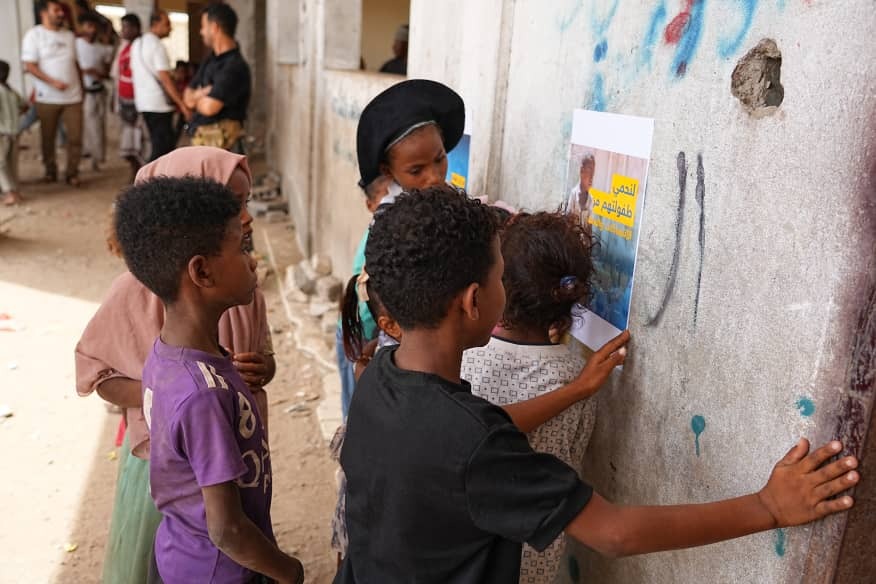
أقيمت الندوة في مخيم عمار بن ياسر للنازحين في مديرية دار سعد، تحت شعار: "من أجل طفولة آمنة والتصدي للانتهاكات الستة الجسيمة وتحقيق العدالة لأطفال اليمن"، واحتوت على ثلاث أوراق عمل قدمها ثلاثة من أبرز المتخصصين في مجالاتهم، بالإضافة الى عرض فيلم توعوي حول الانتهاكات الجسيمة الستة للأطفال.
قدم الورقة الأولى القاضي والباحث القانوني عمرو العبدلي، تناول فيها التوعية بالانتهاكات الستة الجسيمة للأطفال، فيما قدمت الورقة الثانية القاضية إشراق المقطري، عضوة اللجنة الوطنية للتحقيق في ادعاءات انتهاكات حقوق الإنسان، وتناولت فيها آليات المساءلة، وتناولت الورقة الثالثة التي قدمتها الأكاديمية والناشطة الحقوقية د/ رانيا خالد، الدعم النفسي والاجتماعي للأطفال ضحايا الانتهاكات.
وخلال الافتتاح القى ممثل تحالف رصد كلمة قال فيها إن هذه الندوة "تأتي ضمن أنشطة مشروع تعزيز الوعي وضمان حقوق الأطفال أثناء النزاع المسلح في اليمن-المرحلة الثانية- SAFEII والذي ينفذ بدعم معهد دي تي". وأضاف: كما أنها تأتي استجابة لوضع حقوق الأطفال باليمن وخاصة مع استمرار الحرب والتي تدخل عامها العاشر ومع تدهور الوضع الانساني الحرج الذي يعاني منه الأطفال النازحون وأسرهم نتيجة النزاع المسلح".
وتضمنت الكلمة تذكير بأن: "تحالف رصد يؤمن ويؤكد دوما بأن الخطوة الأولى والمهمة لصون وحفظ حقوق الضحايا والمنتهكين تبدأ برصد وتوثيق الانتهاكات، بغية تقديم المنتهكين للعدالة". كما اشارت الكلمة الى ضرورة مواصلة الجهود والضغط من اجل تفعيل دور المحاسبة والمساءلة لمرتكبي الانتهاكات وكذا العمل على مناصرة حقوق الأطفال وان نساهم بتداخلات ناجعه من اجل حماية ورعاية الأطفال باليمن وتقديم الدعم النفسي والاجتماعي والقانوني وإعادة ادماجهم بالمجتمع وحث الاسر والأهالي على حماية أطفالهم والتبليغ حول الانتهاكات الستة الجسيمة التي يتعرضوا لها.
وفي ورقته قدم القاضي عمرو العبدلي عرض شامل للانتهاكات الستة بطريقة مبسطة تتواءم وطبيعة الفئة المستهدفة وبدأ حديثه عن حق الحياة في القانون الدولي والقانون اليمني، كما تطرق لتجريم القانون للقتل والاعتداء، وعبر عن أسفه من استمرار القتل بشكل عشوائي وممنهج على الرغم من وجود هذه النصوص. كما تحدث عن تجنيد الأطفال والطرق والأسباب التي قال إن أهمها الفقر، وعن الاعتداء الجنسي على الأطفال باعتباره جريمة تتضاعف عقوبتها إذا كان المجني عليه طفلًا، بالإضافة لاختطاف الأطفال وغيرها من الانتهاكات.
وتضمنت ورقة المحامية إشراق المقطري تأكيدا على أهمية القانون وحمايته للأطفال وأسرهم، مشيرة إلى أن الكثير من الأسر تخالف هذه القوانين أحيانا دون علم. وأكدت على أن النازحين ليسوا معزولين، وأن هناك قانونًا يحميهم مع أطفالهم، وشددت على أهمية إدراك أسرة أي طفل يتعرض لانتهاك أنه تعرض لجريمة وعليهم إبلاغ الأمن والقضاء لمحاسبة المسؤولين.
وردت المقطري على سؤال طرحه أحد المشاركين عن كيفية التصرف في حال عدم استجابة الشرطة للبلاغات بالقول: في هذه الحالة عليكم بالتواصل مع المنظمات الحقوقية لإبلاغها، وستقوم بدورها بالضغط على الشرطة من خلال مخاطبة السلطات العليا والفاعلين.
وقدمت الدكتورة رانيا خالد في ورقتها نصائح حول كيفية تعامل الأسرة مع أي طفل يتعرض للانتهاك، كما تحدثت عن أهمية دورهد الأسرة في حماية اطفالها. ودعت الأسر المشاركة إلى مراقبة اطفالها وملاحظة التغيرات في سلوكهم مثل عدم اللعب كالمعتاد، الانطواء، الخوف، مشاهدة الكوابيس، الفزع من النوم، تراجع المستوى الدراسي، والخوف من الناس، وعدم تناول الطعام. وقدمت نصائح في كيفية التعامل في هذه الحالات.
تميزت الندوة بحضور كبير، حيث شاركت 35 أسرة مع اطفالهم. ولدى النقاشات الختامية أشار عدد من المتحدثين على أهمية استمرار مثل هذه المبادرات وتوسيع نطاقها لتشمل المزيد من المخيمات والتجمعات السكانية للنازحين، بهدف تعزيز حماية الأطفال وتمكين الأسر من مواجهة التحديات والصعوبات التي تواجههم في ظل الظروف الإنسانية الراهنة.