Victims of Landmines in Yemen
September 2014 – June 2018
Yemen is classified as a country contaminated by mines and explosive remnants of war (ERW), and suffers mainly from unexploded ordnance (UXO) as a result of the numerous conflicts that have occurred since 1962 to 2010, as reported by many international and local reports addressing mines.
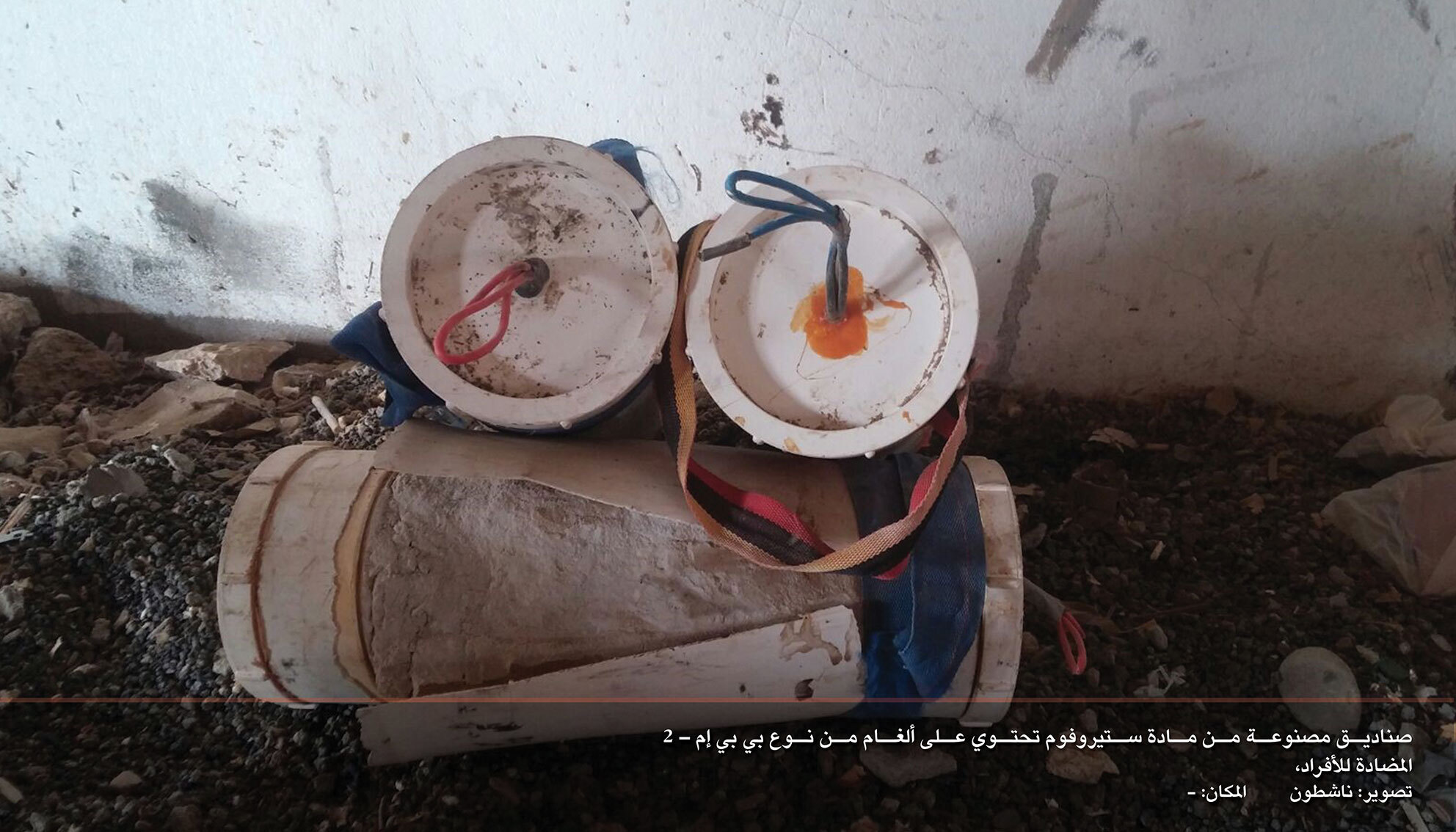
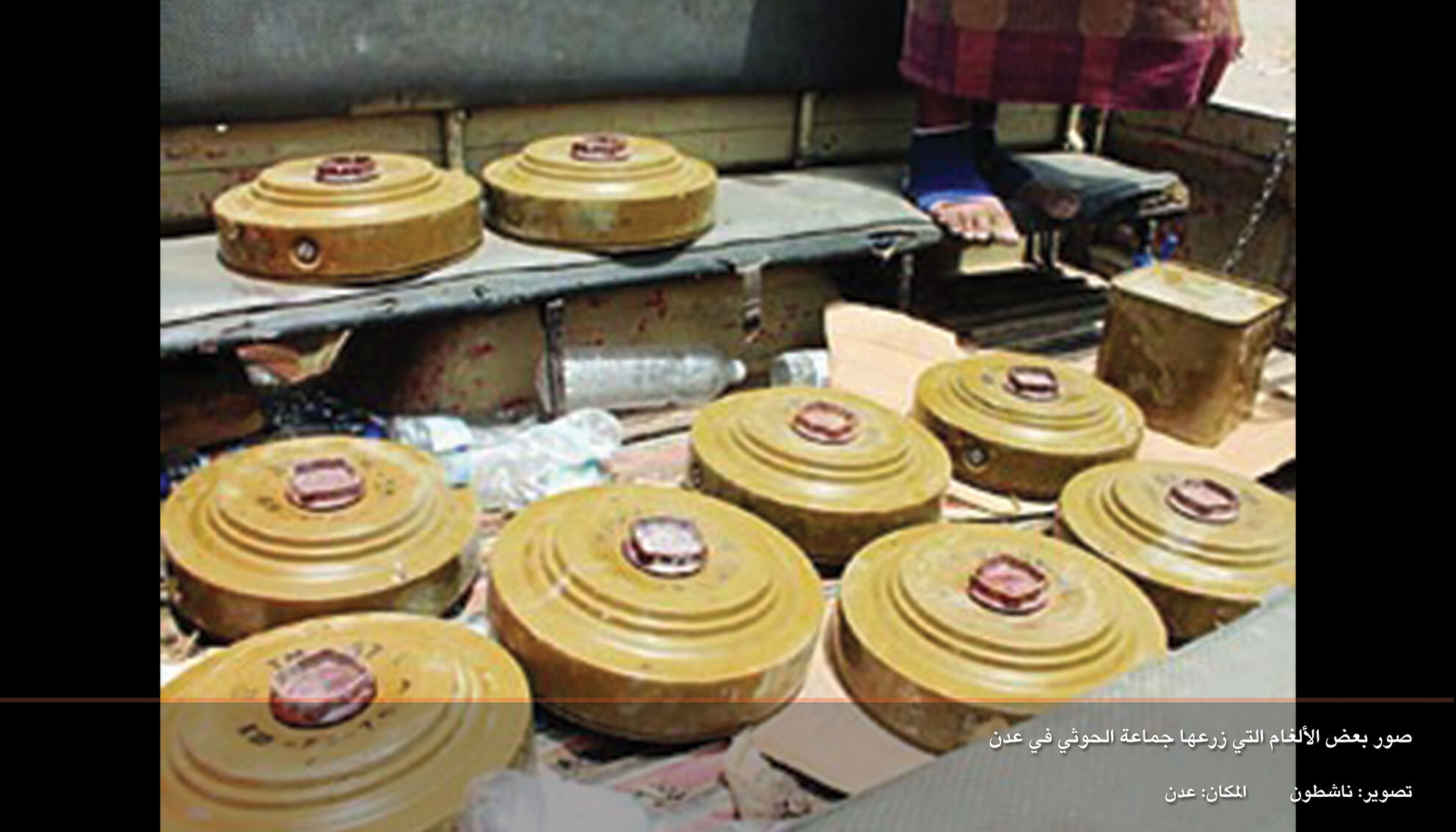
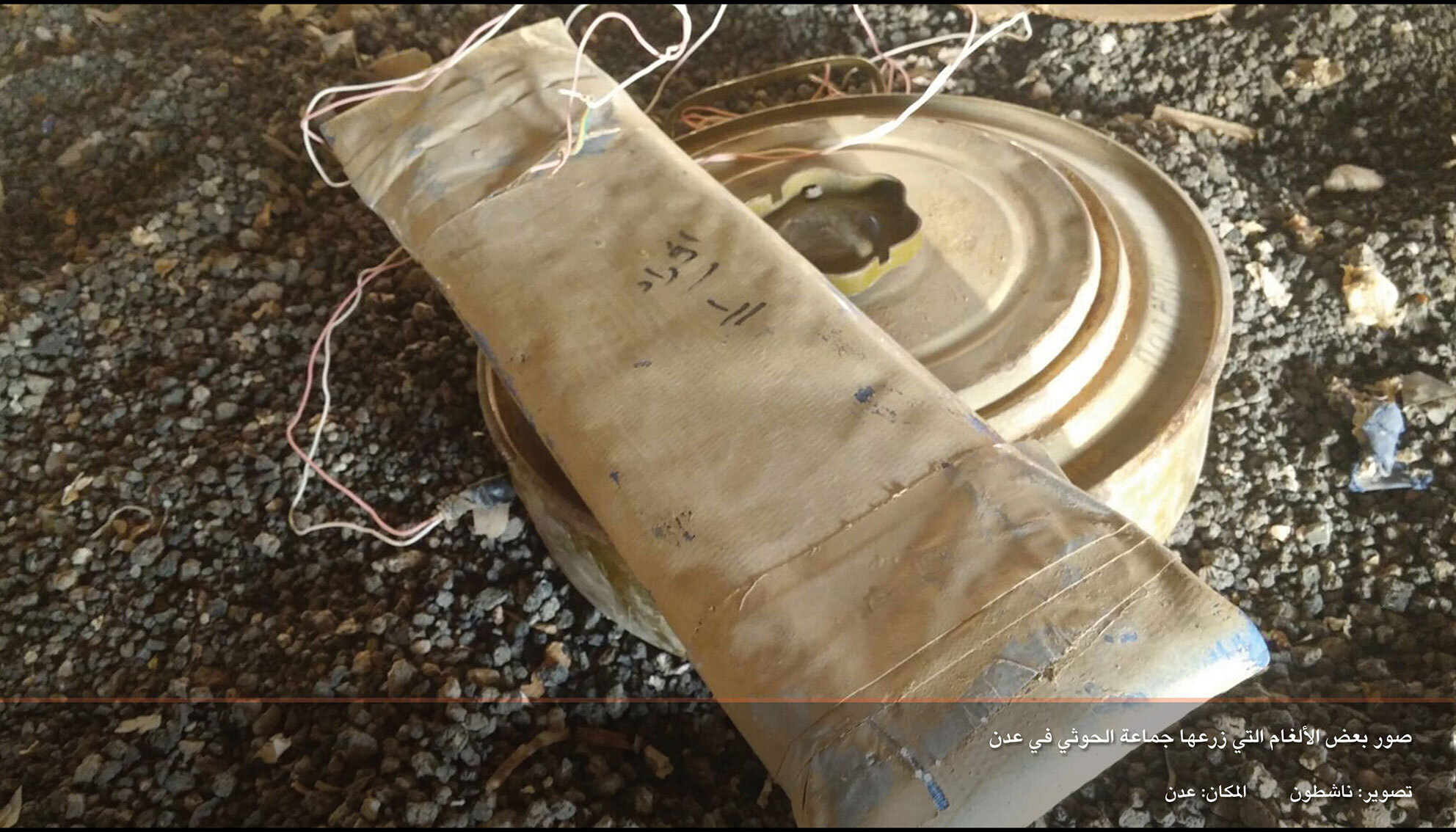
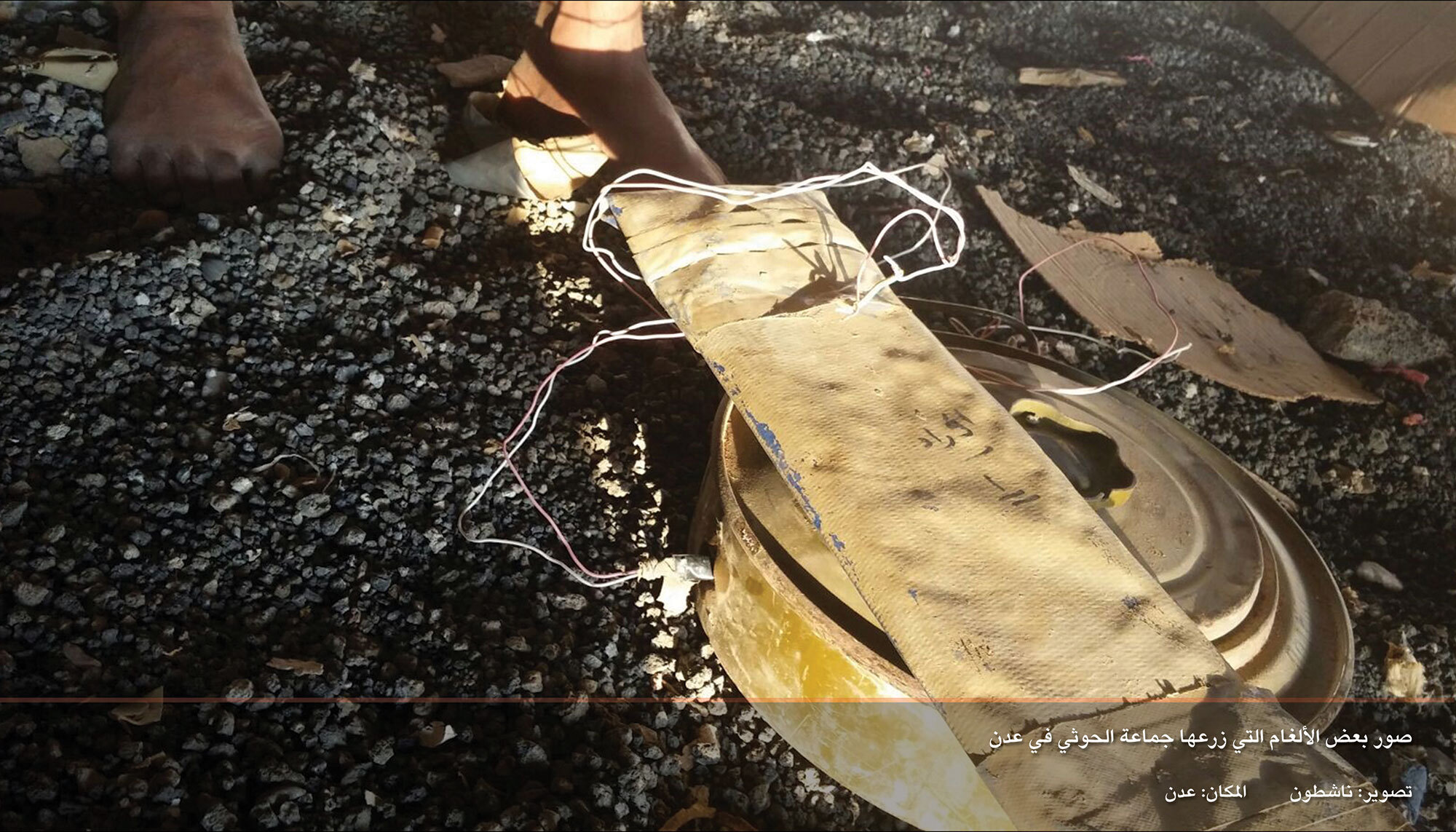
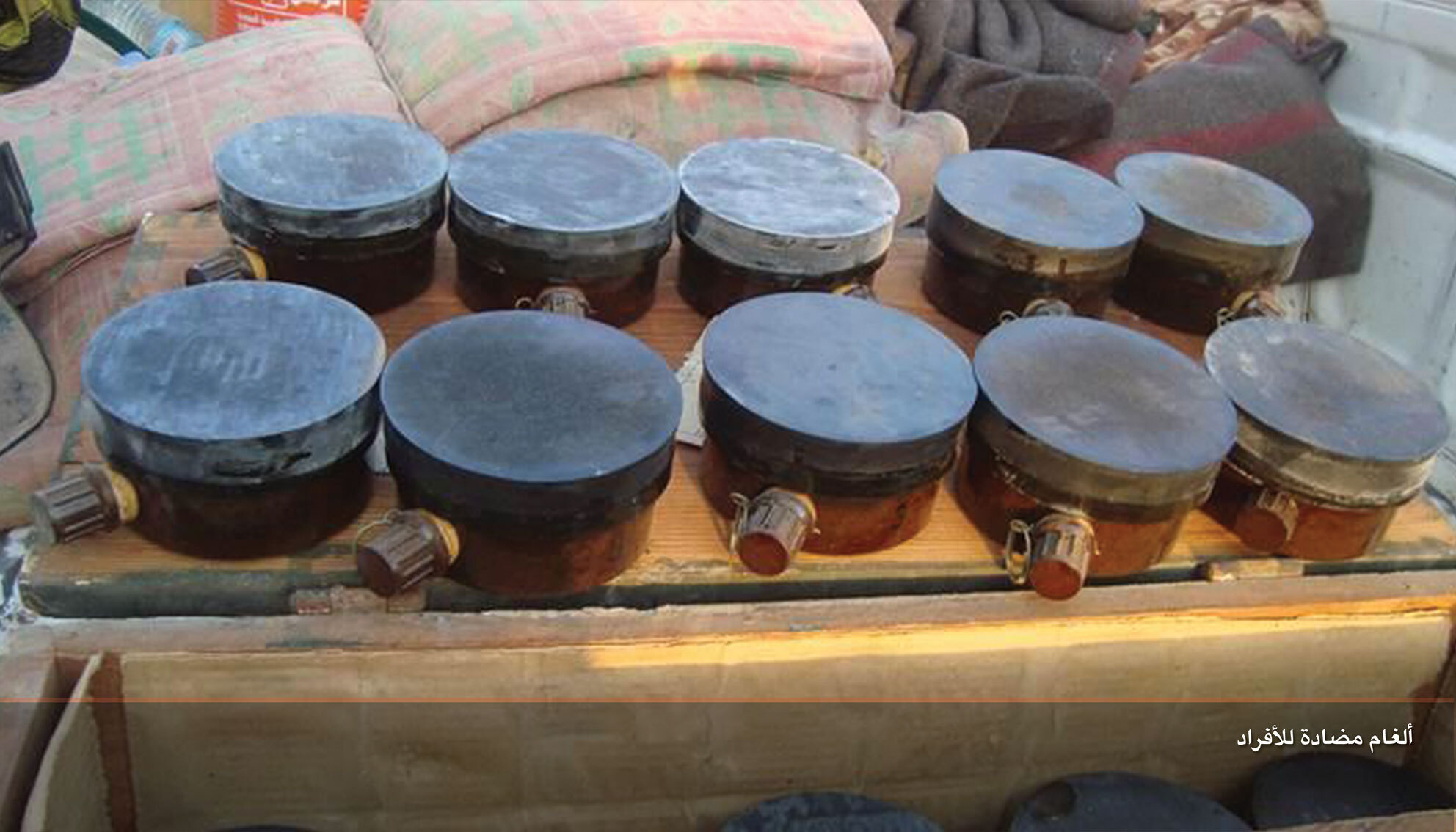
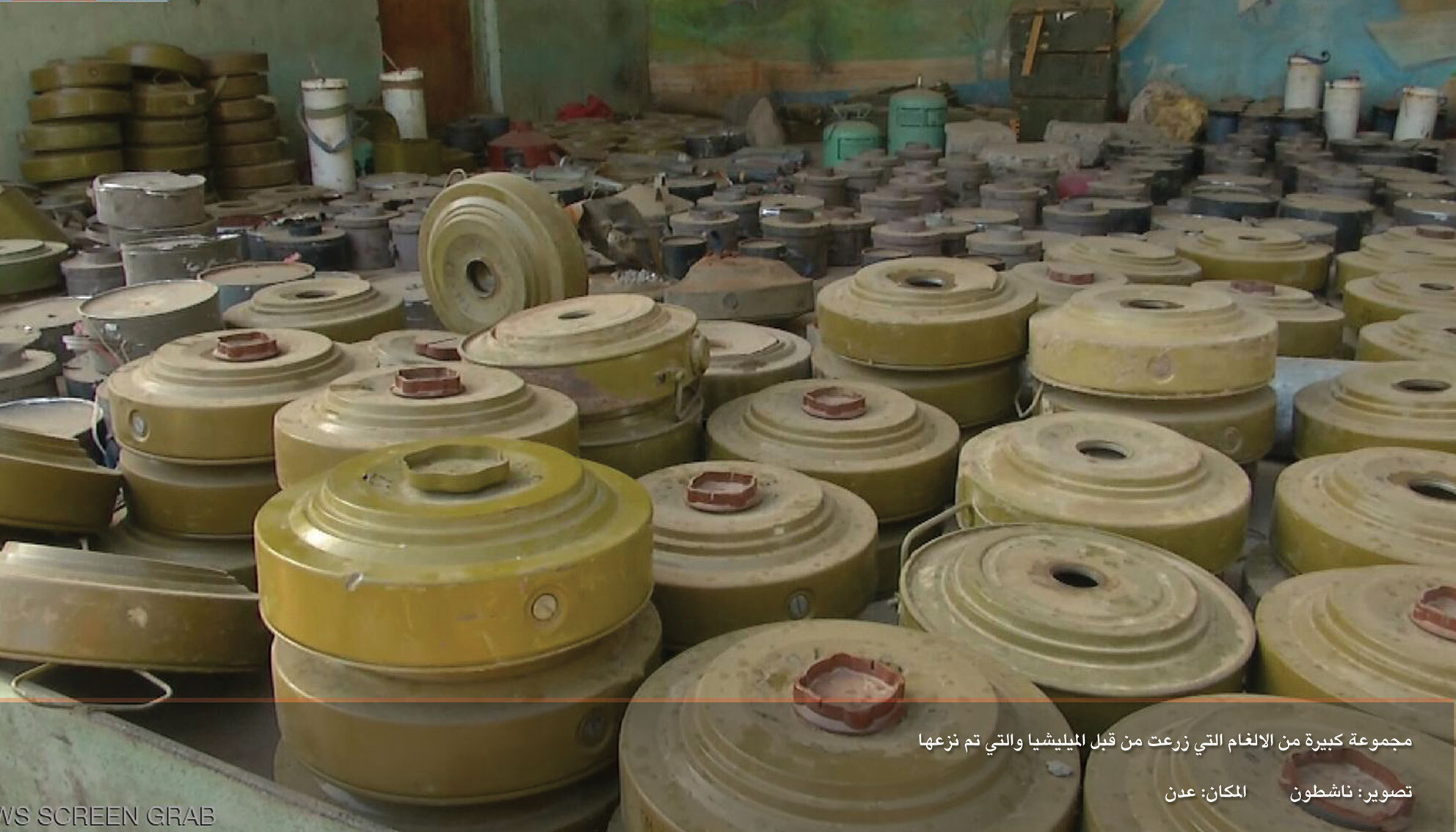
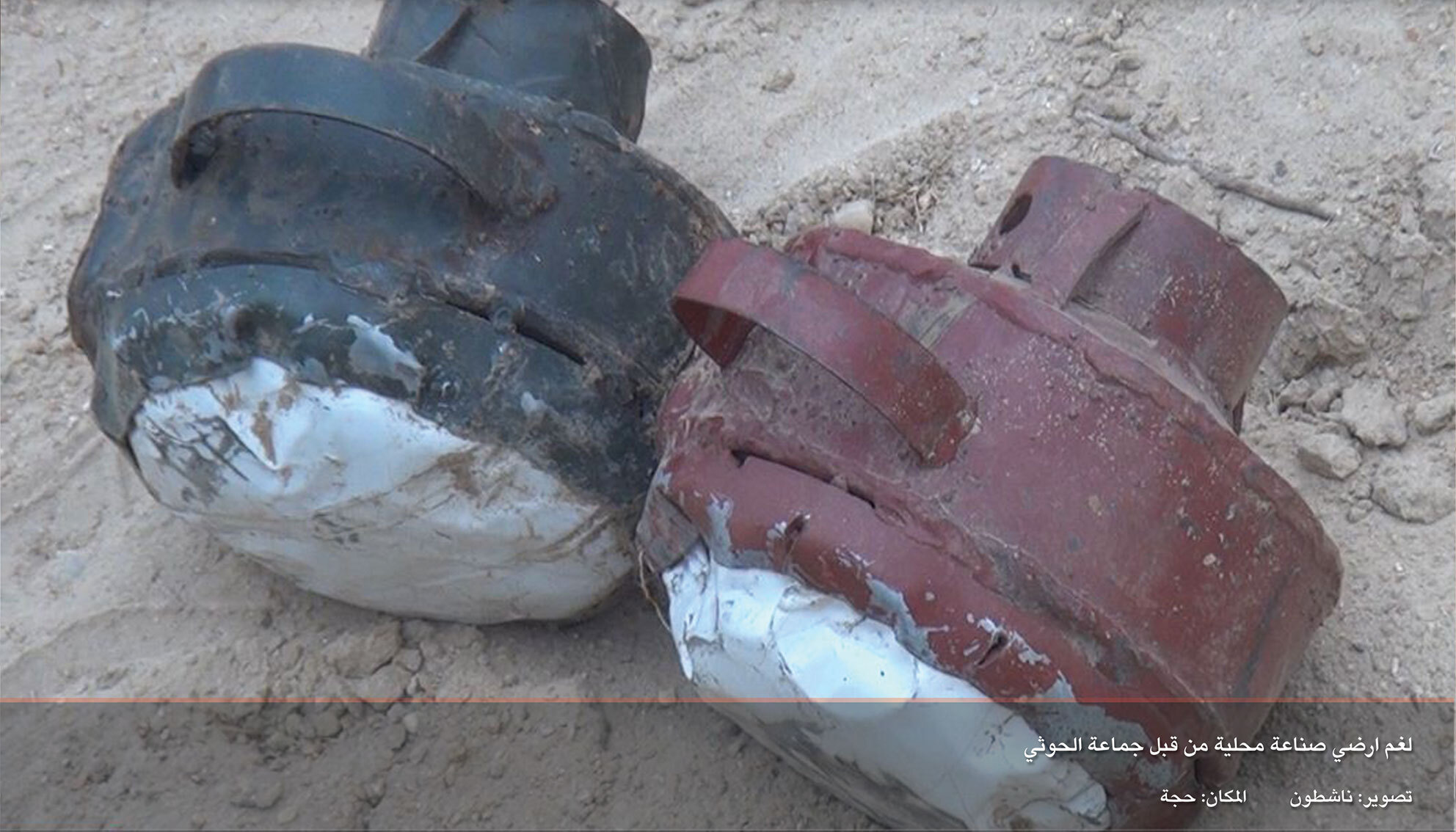
Over the last four years, such a problem – which Yemen already suffers from - has been compounded by the fact that, since its coup on September 21, 2014, the Houthi-Saleh militia has used landmines intensively as one of the most important means and methods of warfare in its armed confrontation with the forces of the legitimate government in order to curb and hinder their progress in the areas the militia used to control and was later defeated or in the areas it still controls and expects to witness military confrontations with the government forces.
The monitoring process documented in this report included: the registration of (906) people killed by landmine explosions from September 2014 to June 2018. These deaths occurred in 19 out of the total of 22 Yemeni governorates. The highest death toll occurred in Taiz governorate, totaling (289), followed by other governorates such as Lahj, al-Dhale', Marib and Aden. The number of men killed by landmines was (713), and (60) for women. A large number of children were killed, totaling (133). Civilians represent the largest number, totaling (665), of the total landmine casualties in Yemen during the reporting period. Most of the victims were killed by antipersonnel mines, totaling (654) and accounted for 72% of the total casualties.
(1034) injured victims of landmine explosions and improvised explosive devices (IEDs) planted by Houthi-Saleh militia were distributed to 17 governorates. Taiz governorate ranked highest in the number of injured, totaling (417), followed by some governorates such as Marib (136), Lahj (85), al-Bayda (70), Aden (61), Jawf (58), Shabwah (51), al-Dhale' (36), Sana'a (36) and Abyan (26), as well as other governorates.
The number of men casualties reached (795), women (56) and children (183). The largest number of casualties were caused by antipersonnel mines (542), followed by anti-vehicle mines (AVM) reaching (477) and (15) who were wounded by (IEDs).
The majority of landmine victims, whether killed, injured, disabled or maimed, were civilians.
The Houthi militia bears direct responsibility for such casualties, whether killed or injured, because they are responsible for the planting of thousands of landmines of various kinds in most of the areas from which they have withdrawn or are still under their control.
This report provides a number of recommendations on landmine action addressed to the international community, the Houthi group, the Yemeni government and the Arab Coalition forces to do their utmost to eliminate landmines of various kinds and reduce their effects.
ضحايا الألغام الأرضية في اليمن
خلال الفترة من سبتمبر/ أيلول 2014م- يونيو/ حزيران 2018م
يصنف اليمن بأنه بلد ملوث بالألغام وبقايا المتفجرات من الحرب، ويعانى بشكل أساسي من الذخيرة غير المنفجرة, نتيجة للصراعات العديدة التي شهدها منذ عام 1962 وحتى العام 2010، كما تشير إلى ذلك العديد من التقارير الدولية والمحلية المعنية بمشكلة الألغام.
ومما زاد من الطين بلة وفاقم هذه المشكلة- التي تعاني منها اليمن أصلا- خلال السنوات الأربع الماضية - هو قيام مليشيا الحوثي– صالح منذ انقلابها على السلطة الشرعية في 21 سبتمبر 2014م - باستخدام الألغام الأرضية بكثافة؛ باعتبارها إحدى أهم الوسائل والأساليب الحربية في مواجهتها المسلحة مع قوات السلطة الشرعية بغرض كبحها وإعاقة تقدمها في المناطق التي كانت تسيطر عليها وتم دحرها منها في وقت لاحق أو في المناطق التي لا تزال تسيطر عليها، وتتوقع أن تشهد مواجهات عسكرية مع القوات الحكومية.
وقد شملت عملية الرصد التي يوثقها هذا التقرير تسجيل (906) شخصًا قتلوا جراء انفجار الألغام الأرضية خلال المدة من سبتمبر/ أيلول 2014م- يونيو/ حزيران 2018م، توزع هؤلاء القتلى على 19محافظة يمنية من إجمالي المحافظات اليمنية البالغ عددها 22 محافظة يمنية، وكان أعلى عدد لهؤلاء القتلى في محافظة تعز، حيث بلغ عددهم(289) قتيلا، تلتها مباشرة محافظات أخرى مثل محافظات لحج، الضالع، ومأرب، وعدن، وقد بلغ عدد الرجال الذين قُتلوا بسبب الألغام الأرضية، ( 713) رجلًا، فيما بلغ عدد النساء(60) امرأة، كما قتل عدد كبير من الأطفال بلغ عددهم(133) طفلا، ويمثل المدنيون العدد الأكبر(665) من إجمالي من قتلوا بسبب الألغام الأرضية في اليمن خلال الفترة التي شملها الرصد هم سكان مدنيون. كما أن معظم الضحايا قتلوا بسبب الألغام المضادة للأفراد (654) ويمثلون 72 % من إجمالي الضحايا.
تعرض((1034 ضحية للإصابة بسبب انفجارات الألغام الأرضية والعبوات الناسفة التي زرعتها مليشيا الحوثي - صالح، يتوزعون أيضا على 17 محافظة، وقد احتلت محافظة تعز الصدارة في عدد المصابين(417)، تليها بعض المحافظات مثل: مأرب (136)، ولحج (85)، والبيضاء(70)، وعدن (61)، والجوف(58) وشبوة(51)، والضالع(36)، وصنعاء(36)، وأبين(26)، علاوة على المحافظات الأخرى.
وقد شكل عدد الرجال(795) من بين من تعرضوا للإصابات بسبب الألغام، والنساء(56) والأطفال، (183) كما أن العدد الأكبر من المصابين كانت إصاباتهم بسب الألغام المضادة للأفراد(542)، تليها مباشرة الألغام المضادة للمركبات (477) فيما(15)أصيبوا بعبوات ناسفة.
وقد كان غالبية ضحايا الألغام الأرضية- سواء من قتلوا أو تعرضوا للإصابة والإعاقة أو التشوهات - هم من المدنيين.
وتتحمل مليشيا الحوثي المسؤولية المباشرة عما لحق بهؤلاء الضحايا سواء من قتلوا أو أصيبوا لكونها المسؤولة عن زراعة الآلاف من الألغام الأرضية بأنواعها المختلفة وفي غالبية المناطق التي انسحبت منها أو التي لا تزال تسيطر عليها.
يتضمن هذا التقرير عددا من التوصيات حول مكافحة الألغام الأرضية ، موجهة إلى المجتمع الدولي، وجماعة الحوثي، وإلى الحكومة اليمنية وقوات التحالف العربي، لبذل ما في وسعهم لمكافحة الألغام الأرضية بأنواعها المختلفة والحد من آثارها.