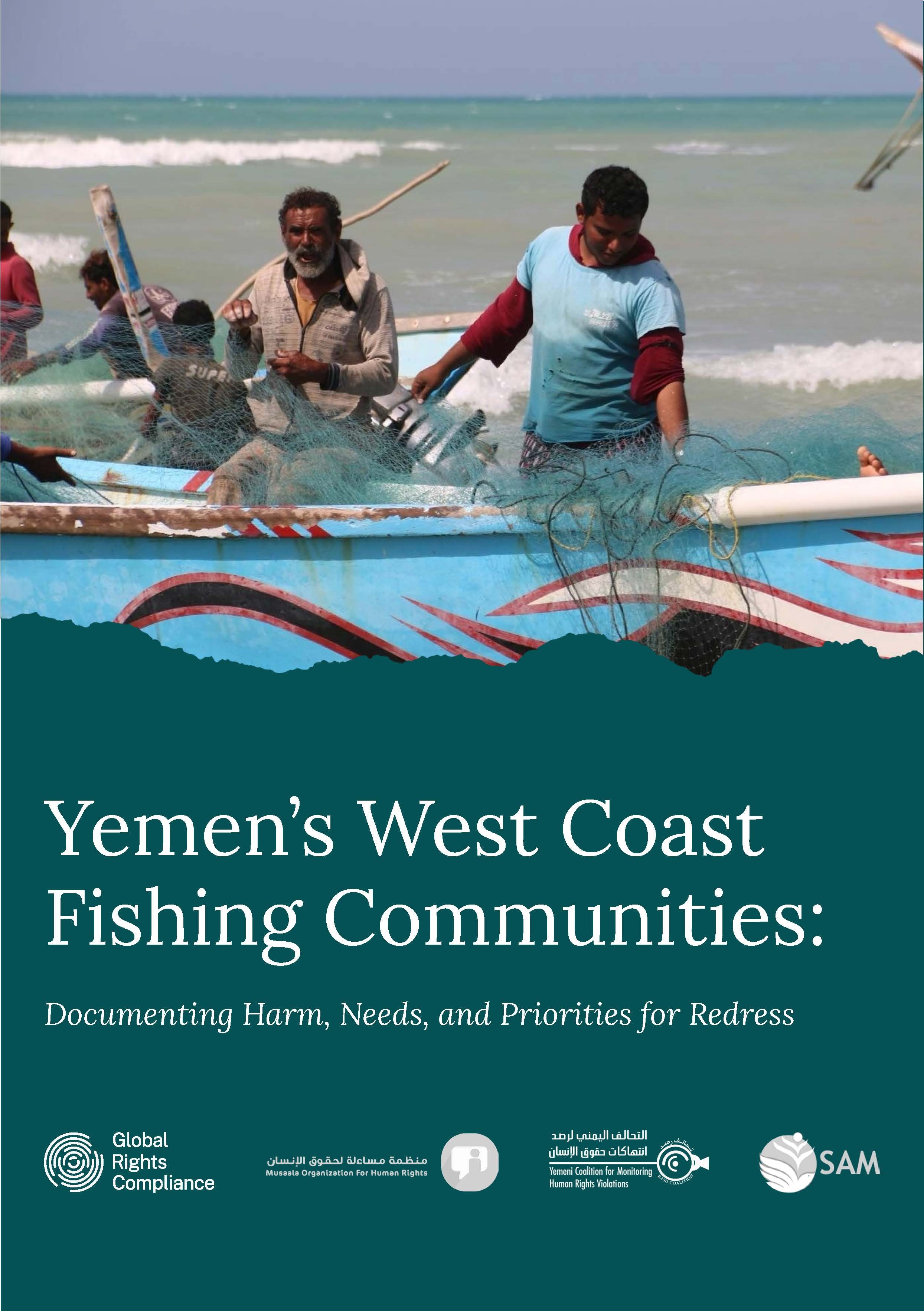
Based on 84 interviews with survivors, relatives of victims, and other stakeholders, as well as extensive open-source and field research conducted between 2024 and 2025, the report documents patterns of harm affecting fishermen and their communities and highlights the absence of meaningful mechanisms for accountability and redress.
Fishing communities play a vital role in supporting local economies and food security in Yemen. However, years of conflict and economic crisis have made fishing increasingly dangerous and undermined livelihoods across the country’s western coastline. The report finds that fishermen have been exposed to a range of harms, including airstrikes, landmines and explosive remnants of war, arbitrary detention, enforced disappearance, torture, ill-treatment, confiscation of boats and equipment.
The findings identify violations of international human rights law and international humanitarian law committed by multiple actors, including the Saudi/UAE-led coalition, the Houthis, the internationally recognised government of Yemen, and Eritrea. These violations have had severe and long-lasting physical, psychological, and socioeconomic consequences for affected individuals and communities, contributing to displacement, food insecurity, and the loss of livelihoods.
Despite the scale of these harms, the report found no evidence that victims have received reparations or meaningful recognition from those responsible. Existing mechanisms established to address civilian harm have largely failed to provide effective and transparent responses.
Interviewed fishermen consistently identified restitution and financial compensation as their primary reparative priorities, particularly to replace destroyed or confiscated boats and fishing equipment. They also highlighted the need for physical and mental health support, legal accountability, stronger protections for the fishing sector, educational opportunities for children, and measures to prevent future violations.
Many stressed that a lasting end to the conflict remains essential to any sustainable improvement in their circumstances.
The report concludes that continued documentation, monitoring, and engagement with affected communities are critical to advancing victims’ rights to truth, justice, and reparations. It also underscores the broader need to place victims at the centre of discussions on Yemen and to ensure meaningful pathways to accountability and redress for those affected by years of conflict and abuse.
استنادًا إلى 84 مقابلة مع ناجين وأقارب الضحايا وجهات معنية أخرى، بالإضافة إلى بحث مكثف استند إلى مصادر مفتوحة وأبحاث ميدانية أُجريت بين عامي 2024 و2025، يوثق التقرير أنماط الأضرار التي يتعرض لها الصيادون ومجتمعاتهم، ويسلط الضوء على غياب آليات فعالة للمساءلة والإنصاف.
تلعب مجتمعات الصيد دوراً حيوياً في دعم الاقتصادات المحلية والأمن الغذائي في اليمن. غير أن سنوات من النزاع والأزمات الاقتصادية جعلت الصيد نشاطاً متزايد الخطورة وقوضت سبل العيش على طول الساحل الغربي للبلاد. ويكشف التقرير تعرض الصيادين لمجموعة من الأضرار، بما في ذلك الغارات الجوية، والألغام الأرضية ومخلفات الحرب المتفجرة، والاحتجاز التعسفي، والاختفاء القسري، والتعذيب، وسوء المعاملة، ومصادرة القوارب والمعدات.
تُشير النتائج إلى ارتكاب أطراف متعددة انتهاكات للقانون الدولي لحقوق الإنسان والقانون الدولي الإنساني، بما في ذلك التحالف الذي تقوده السعودية والإمارات، والحوثيون، والحكومة اليمنية المعترف بها دولياً، وإريتريا. وقد تسببت هذه الانتهاكات في عواقب جسدية ونفسية واجتماعية واقتصادية خطيرة وطويلة الأمد للأفراد والمجتمعات المتضررة، مما ساهم في النزوح وانعدام الأمن الغذائي وفقدان سبل العيش.
على الرغم من حجم هذه الأضرار، لم يجد التقرير أي دليل على أن الضحايا قد تلقوا جبرََا للأضرار أو اعترافاً حقيقياً من الجهات المسؤولة. وقد فشلت الآليات الحالية التي أُنشئت لمعالجة الأضرار التي لحقت بالمدنيين، إلى حد كبير، في تقديم استجابات فعالة وشفافة.
وقد أشار الصيادون الذين تمت مقابلتهم بشكل متكرر إلى أن إعادة الممتلكات والتعويض المالي هما أولويتهما الرئيسية في مجال جبر الضرر، لا سيما لتعويض القوارب ومعدات الصيد التي تم تدميرها أو مصادرتها. كما سلطوا الضوء على الحاجة إلى الدعم الصحي الجسدي والنفسي، والمساءلة القانونية، وتعزيز الحماية لقطاع الصيد، وتوفير فرص تعليمية للأطفال، واتخاذ تدابير لمنع وقوع انتهاكات في المستقبل.
وأكد الكثيرون أن إنهاء الصراع بشكل دائم لا يزال أمراً أساسياً لتحقيق أي تحسن مستدام في أوضاعهم.
ويبين التقرير إلى أن استمرار التوثيق والرصد والتفاعل مع المجتمعات المتضررة أمور بالغة الأهمية لتعزيز حقوق الضحايا في معرفة الحقيقة وتحقيق العدالة والحصول على جبر الضرر. كما يؤكد التقرير على الحاجة الأوسع نطاقاً إلى وضع الضحايا في صميم المناقشات المتعلقة باليمن، وضمان توفير مسارات فعالة للمساءلة و الإنصاف لأولئك الذين تضرروا من سنوات من النزاع والانتهاكات.