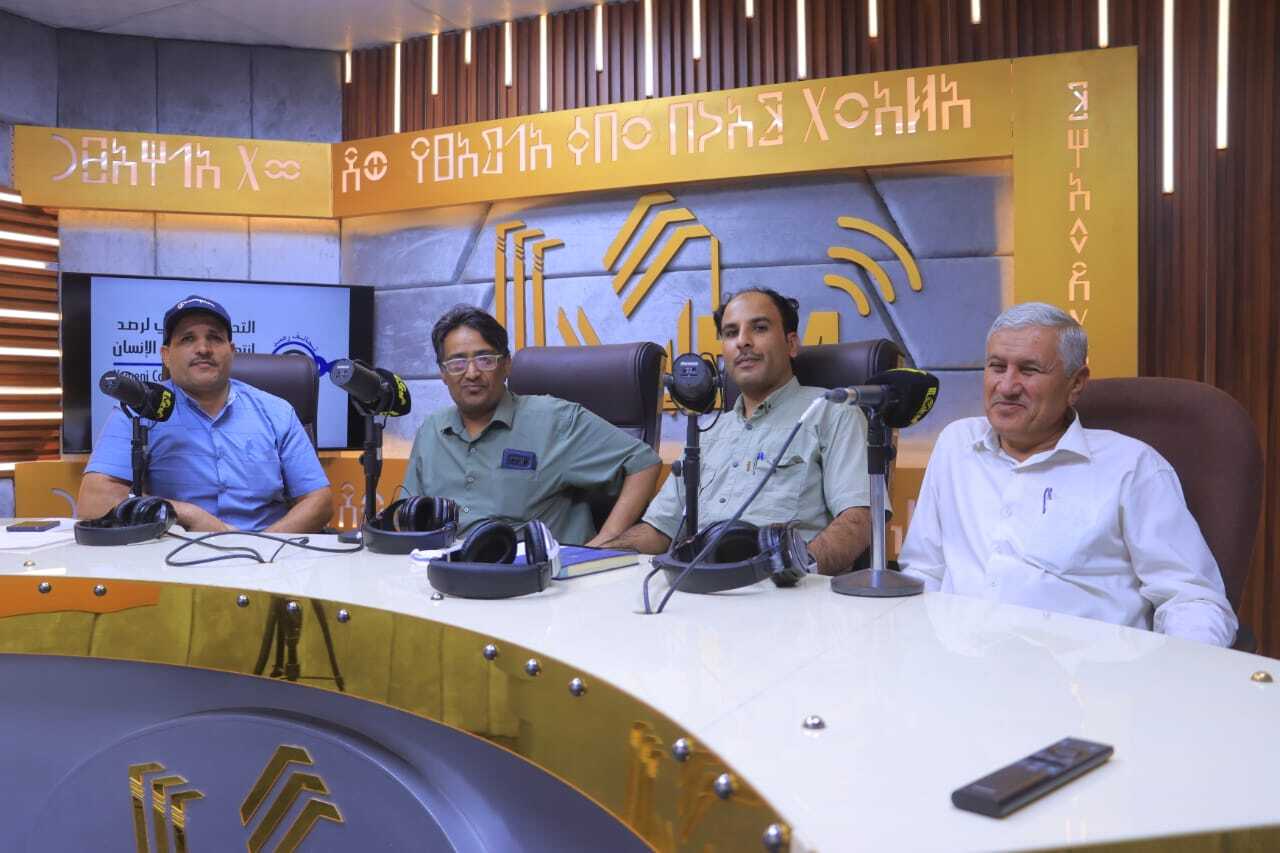
Taiz/Marib - [Thursday, June 26, 2025]:
Within the activities of the second phase of “SUPPORTING AWARENESS, FACILITATING ENFORCEMENT OF CHILDREN’S RIGHTS IN THE YEMENI CONFLICT (SAFEII), the Yemeni Coalition for Monitoring Human Rights Violations, in cooperation with the DT Institute, launched a special radio program titled "What are the six grave violations against children, and how can we protect our children?", targeting families most affected and vulnerable to these types of violations.
- A Bridge to Protection and Accountability:
The program aimed to empower families—especially displaced persons and those whose children have been subjected to or are vulnerable to violations—with practical and legal knowledge on how to take appropriate measures. The following topics were discussed in detail:
- Legal Foundation and Shocking Reality:
At the start of the episode, a brief introduction of Rasd Coalition, the SAFEII Project, and their objectives in monitoring violations and supporting victims was provided.
The introduction revealed alarming reports from the United Nations, indicating that more than 3,000 Yemeni children were recruited between 2015 and 2022, and more than 400 schools were attacked.
The episode also included a brief background on the development of international humanitarian and human rights laws, and a definition of the "six grave violations" against children in armed conflict as war crimes. The six violations (killing and maiming of children, child recruitment, sexual violence, attacks on schools and hospitals, denial of humanitarian access, and abduction of children) were then explained, along with horrific examples of Houthi violations against children in Yemen.
- Prevention and Identification - Protecting Our Children Before Harm Occurs:
This section offers information to help families recognize if their children are at risk for these violations. This includes signs that a child has been subjected to one or more of these violations (physical, psychological, or behavioral), preventative strategies for families: at home, during displacement, and in the local community, and how to deal with armed groups to avoid harm. It also highlights the importance of safe awareness-raising for children using age-appropriate language, and practical exercises to teach them how to act in the event of any violation.
- Crisis Management - Reporting and Follow-up to Ensure Justice:
This section addresses immediate measures following a violation incident, including urgent medical referral, secure documentation of the incident, and providing initial psychological support to the child and family. It also addresses safe reporting mechanisms, including how to communicate with the Yemeni Coalition for Monitoring Human Rights Violations and other human rights organizations, given the importance of reporting in documenting violations and building cases for local and international accountability (such as the International Criminal Court).
Why is this awareness crucial?
The episode emphasized that raising awareness among families—especially those directly affected—and their children is the first line of defense for their protection. Reporting is not only a means of receiving immediate support; it is a humanitarian and legal duty to document violations, ensure perpetrators' accountability, and respect for the rights of Yemeni children.
The episode targeted families whose children have already been subjected to one or more of the six grave violations, or are susceptible to them (especially displaced families). It also targeted the public to raise community awareness.
Call for Action:
Finally, the radio episode urged families to:
1. Educate themselves about the six grave violations.
2. Implement prevention strategies within the family.
3. Report immediately and safely when any violation occurs through designated channels (such as the communication channels of the Yemeni Coalition for Monitoring Human Rights Violations).
4. Seek specialized psychological and legal support.
This radio episode represents a practical step in a long process to confront impunity for perpetrators of child rights violations in Yemen, highlight their suffering, and empower the community to be an effective partner in protecting children.
تعز/مأرب - [الخميس ٢٦ يونيو 2025]:
في خطوة توعوية حيوية لمواجهة انتهاكات حقوق الأطفال في مناطق الصراع، أطلق "التحالف اليمني لرصد انتهاكات حقوق الإنسان" بالتعاون مع "معهد DT"، حلقة إذاعية خاصة تحت عنوان:"ماهي الانتهاكات الستة الجسيمة بحق الأطفال، وكيف نحمي أطفالنا؟"، ضمن أنشطة المرحلة الثانية من مشروع تعزيز الوعي وضمان حقوق الأطفال (SAFE2)، مستهدفةً الأسر الأكثر تضرراً من هذا النوع من الانتهاكات، او المعرضة لخطرها.
جسر نحو الحماية والمساءلة:
هدفت الحلقة إلى تمكين الأهالي – خاصة النازحين ومن تعرض أطفالهم للانتهاكات أو يواجهون خطر التعرّض لها – بمعرفة عملية وقانونية للتصرف السليم. وقد ناقشت المحاور التالية بإسهاب:
1. التأسيس القانوني والحقائق الصادمة من الواقع:
تضمن مقدمة الحلقة تقديم تعريف موجز بتحالف الرصد ومشروع SAFE2 وأهدافهما في رصد الانتهاكات ودعم الضحايا. وكشف المقدمة إحصائيات مفزعة من تقارير الأمم المتحدة مثل: تجنيد أكثر من 3,000 طفل يمني بين 2015-2022، واستهداف أكثر من 400 مدرسة.
كما احتوت المقدمة على شرح مبسط لتطور القانون الدولي الإنساني وحقوق الإنسان وصولاً لتحديد "الانتهاكات الستة الجسيمة" ضد الأطفال في النزاعات المسلحة كجرائم حرب. ثم تم توضيح الانتهاكات الستة (قتل وتشويه الأطفال، تجنيدهم، العنف الجنسي، الهجمات على المدارس والمستشفيات، منع وصول المساعدات الإنسانية، وخطف الأطفال) مع أمثلة مروعة من انتهاكات جماعة الحوثي بحق الأطفال في اليمن.
2. الوقاية والتعرّف - حماية أطفالنا قبل وقوع الضرر:
تضمن هذا المحور تقديم معلومات توعوية حول كيف تكتشف الأسرة أن أطفالها معرّضون لخطر هذه الانتهاكات؟ بما في ذلك العلامات التي تدل على تعرّض الطفل لواحد أو أكثر من هذه الانتهاكات (جسدية، نفسية، سلوكية)، والاستراتيجيات الوقائية للأسر: داخل المنزل، أثناء النزوح، وفي المجتمع المحلي. وكيفية التعامل مع الجهات المسلحة لتجنب الأذى. بالإضافة لأهمية التوعية الآمنة للأطفال باستخدام لغة مناسبة لأعمارهم، وتمارين عملية لتعليمهم كيفية التصرف في حال التعرّض لأي انتهاك.
3. التصرف وقت الأزمة - الإبلاغ والمتابعة لإحقاق العدالة:
تطرق هذا المحور للإجراءات الفورية بعد وقوع الانتهاك ومنها: أهمية التوجيه الطبي العاجل، والتوثيق الآمن للواقعة، وتقديم الدعم النفسي الأولي للطفل والأسرة، وأيضا آليات الإبلاغ الآمنة بما في ذلك كيفية التواصل مع "التحالف اليمني لرصد انتهاكات حقوق الإنسان" ومنظمات حقوقية أخرى لما للإبلاغ من أهمية في توثيق الجرائم وبناء ملفات للمساءلة المحلية والدولية (مثل المحكمة الجنائية الدولية).
لماذا هذه التوعية مصيرية؟
أكدت الحلقة على أن توعية الأسر – خاصة تلك المتأثرة مباشرة – وأطفالهم أنفسهم، هي خط الدفاع الأول لحمايتهم. كما أن الإبلاغ ليس فقط للحصول على الدعم الفوري، بل هو واجب إنساني وقانوني لتوثيق الجرائم وعدم إفلات مرتكبيها من العقاب، والمساهمة في بناء مستقبل يحترم حقوق أطفال اليمن.
استهدفت الحلقة الأسر التي تعرّض أطفالها بالفعل لواحد أو أكثر من الانتهاكات الستة أو المعرّضة أو أطفالها معرّضون لخطر التعرّض لها (خاصة الأسر النازحة)، كما استهدفت الجمهور العام لرفع مستوى الوعي المجتمعي.
دعوة للعمل:
ختاماً، حثت الحلقة الاذاعية الأسر على:
1. التثقّف بموضوع الانتهاكات الستة الجسيمة.
2. تطبيق استراتيجيات الوقاية داخل الأسرة.
3. التبليغ الفوري والآمن عند وقوع أي انتهاك عبر القنوات المخصصة (مثل قنوات اتصال التحالف اليمني لرصد انتهاكات حقوق الإنسان).
4. السعي للحصول على الدعم النفسي والقانوني المتخصص.
هذه الحلقة الإذاعية تمثل إجراءً عملياً في مسار طويل لمواجهة إفلات مرتكبي انتهاكات حقوق الطفل من العقاب في اليمن، وتسليط الضوء على معاناتهم، وتمكين المجتمع ليكون شريكاً فاعلاً في حمايتهم.