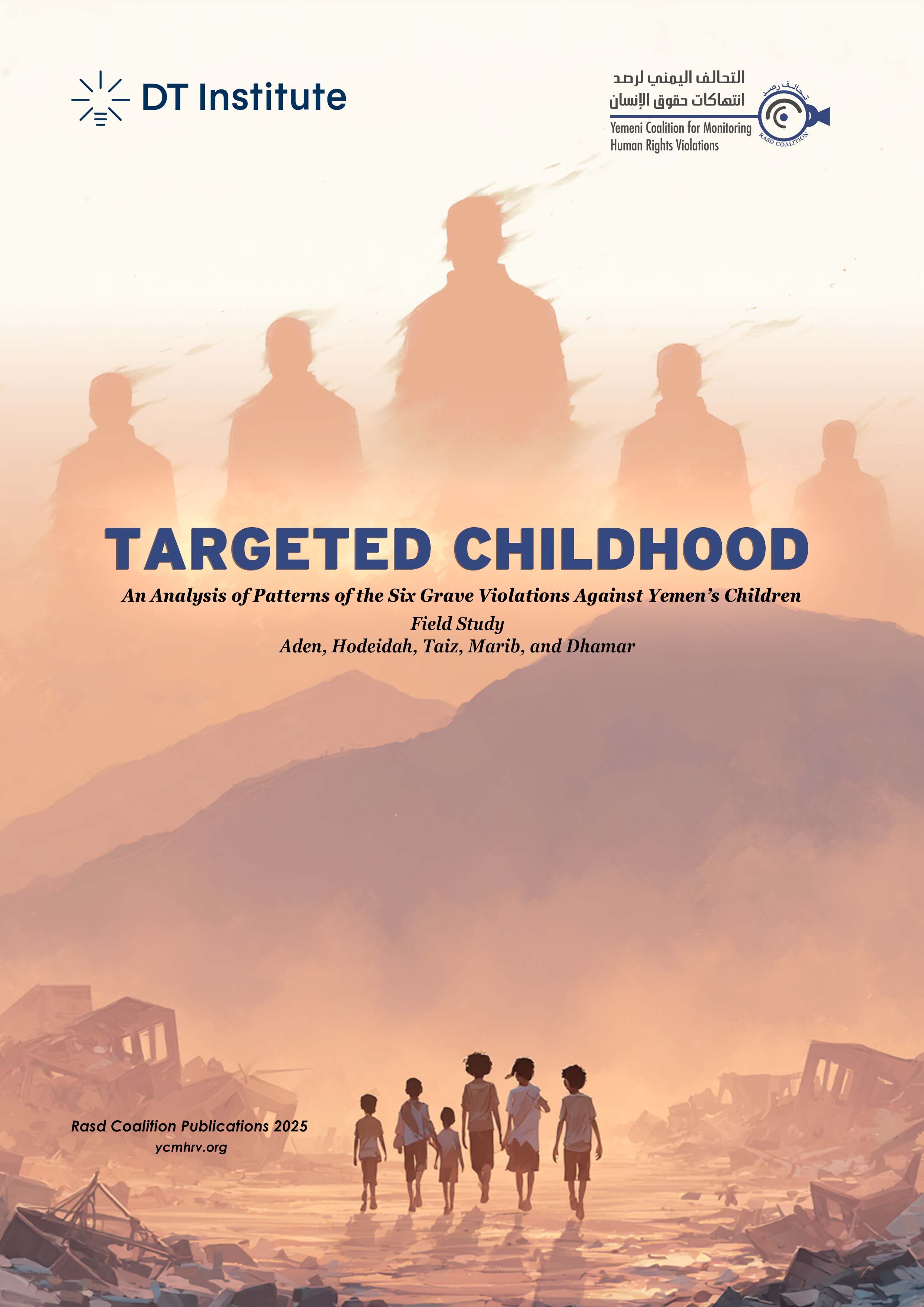
Joint Statement on the Universal Children’s Day: Protect and Deliver Justice for Yemen’s Children
End Violations, Provide Redress, and Involve Children in Peace Processes
On the Universal Children’s Day, observed annually on November 20, Yemen’s children continue to suffer from multiple gross violations committed by parties in conflict, primarily by Ansar Allah (the Houthis).
This day should motivate a renewed pledge to defend, protect, and promote the rights of Yemen’s children and to celebrate them. However, the reality is that they are enduring one of the world’s longest-lasting humanitarian crises driven by conflict, and many of the rights outlined in the Declaration of the Rights of the Child (1959) and the Convention on the Rights of the Child (1989) remain largely unmet.
Humanitarian needs and malnutrition:
A decade into the escalation, children’s humanitarian needs are rising alarmingly. UN sources estimate that around 9.8 million children in Yemen will require humanitarian assistance in 2025, within a crisis affecting approximately 19.5 million people. UNICEF data indicate that more than 2.7 million children suffer from acute malnutrition, and that about 49% of children under five experience chronic stunting—causing irreversible harm to cognitive and physical development. ReliefWeb+2 The United Nations in Yemen+2
Loss of life and injuries:
Since 2015, the United Nations has verified the killing or injury of more than 11,000 children, with the actual number likely considerably higher due to access constraints and fragmented monitoring systems. The documented figures reflect only the lower bound. UNICEF+1
Education as a recurrent target of attacks and disruption:
At least 2,900 schools have been destroyed, damaged, or repurposed for non-educational uses during the years of conflict. This, alongside security and economic factors, has pushed roughly 4.5 million children out of classrooms (nearly one in five children out of school). This reality undermines the right to education and compounds vulnerability across generations. UNICEF+2 Sana'a Center For Strategic Studies+2
Child recruitment and outstanding obligations:
Despite the Government of Yemen signing a 2014 action plan with the UN, and the Houthis signing a similar plan in 2022 to end the recruitment and use of children, practices on the ground, including the exploitation of schools, mosques, and summer camps, continue to reveal persistent risks of recruitment and use of minors. What is needed now is a shift from pledges to rigorous, transparent implementation. childrenandarmedconflict.un.org+1
Rasd Coalition has documented the following:
Rasd Coalition (a member of the Justice for Yemen Pact) verified 845 grave violations against children during 2023–2025 (the project’s two phases): 636 cases of recruitment, 47 arbitrary arrests, 64 injuries, 33 killings, 13 sexual violence cases, 48 attacks on schools, and 5 instances of denial of aid. Rasd Coalition also recorded 7,490 cases of child recruitment during 2015–2025. In the project’s second phase (since October 2024), among 82 incidents, a second violation against the same victim occurred in 32% of cases and a third violation in 5%. Killing and maiming most often occurred as the first pattern, followed by recruitment, then detention, attacks on schools/hospitals, and denial of assistance; as a second pattern against the same victim, killing predominates, followed by recruitment, then sexual violence, detention, and attacks; the third pattern varies between denial of assistance and attacks on schools.
The undersigned organizations recommend the following to the relevant Yemeni parties:
First: To Ansar Allah (the Houthis):
Immediate cessation of all six grave violations against children; end child recruitment and halt all mobilization activities; prohibit the military use of schools/health facilities.
Guarantee safe and unimpeded access for humanitarian and community organizations and UN agencies to victims and affected areas.
Second: To the internationally recognized Government of Yemen:
Initiate institutional reforms tailored to child justice: activate juvenile prosecution offices and courts, strengthen judicial authority, expedite adjudication of children’s cases, and align relevant legislation with international standards.
Establish/activate specialized police and judicial units for child protection; support the operation of juvenile homes and centers; and develop Psychosocial support and referral pathways MHPSS services.
Facilitate access for civil society and UN agencies to victims and affected areas, and integrate child justice and child/survivor participation into any forthcoming peace processes.
Third: To Yemeni civil society organizations:
Intensify awareness campaigns on the risks of recruitment and the six grave violations; expand MHPSS services for children and their families.
Conduct independent documentation in line with UN standards and amplify victims’ voices in international forums and relevant mechanisms.
Fourth: To the United Nations and donors:
Support the establishment/strengthening of a national reporting and referral mechanism aligned with international frameworks; link funding to time-bound, measurable plans to halt violations and protect children, with education prioritized as a core protection measure (safe return to school, addressing teacher and infrastructure gaps).
Conclusion
The continuation of the war in Yemen remains the most destructive driver of violations against children’s rights. It has fueled mass displacement and precipitated the collapse of education and health sectors, deepening household vulnerability. Children can only be protected and assured a safe future through a comprehensive cessation of violence, transparent accountability for perpetrators, and a protective environment that restores their rights to life, education, care, and dignity. We, the undersigned organizations, commit to advocating for children’s rights and to working with partners and authorities to urgently and effectively implement these recommendations.
Signatories:
The Yemeni Coalition for Monitoring Human Rights Violations (Rasd Coalition)
Musaalah Organization
Al-Amal Cultural and Social Women's Foundation
Marib Dam Foundation for Social Development
Free Media Center for Investigative Journalism
Center for Strategic Studies to Support Women and Children
Center for Economic Studies and Media
Human Rights Monitoring Organization
Association of Mothers of Abductees Organization
SAM Organization for Rights and Liberties
Rights Radar for Human Rights
Salam and Social Justice Organization
National Organization for Rights and Development
Equal Rights & Freedoms Organization
Ayn for Human Rights Organization
Investigative Human Rights Organization
Witnesses for Rights and Freedoms Organization
Protection for Civil Orientation Organization
Observer for Human Rights Organization
بمناسبة اليوم العالمي للطفل الذي يصادف 20 نوفمبر من كل عام، لا يزال أطفال اليمن يكابدون أصنافًا شتّى من الانتهاكات الستّة الجسيمة التي ترتكبها بحقهم أطراف النزاع، وفي مقدّمتها جماعة أنصار الله (الحوثيين). إن هذا اليوم يذكّرنا بأن يكون نقطة انطلاق مُلهِمة للدفاع عن أطفال اليمن وصون حقوقهم وتعزيزها والاحتفاء بها، غير أنّ الواقع يُظهر أنهم يعيشون واحدة من أكبر الأزمات الإنسانية الممتدّة بفعل النزاع، وأن جزءًا كبيرًا من الحقوق المُقرّة لهم بموجب الإعلان العالمي لحقوق الطفل (1959) واتفاقية حقوق الطفل (1989) ما زال حبرًا على ورق.
الاحتياجات الإنسانية وسوء التغذية:
بعد عشر سنوات على التصعيد، تتزايد احتياجات الأطفال على نحوٍ مقلق. تُقدِّر مصادر أممية أن نحو 9.8 مليون طفل في اليمن بحاجة إلى مساعدات إنسانية في عام 2025 ضمن أزمة تطال قرابة 19.5 مليون شخص من السكان. كما تفيد بيانات اليونيسف بأن أكثر من 2.7 مليون طفل يعانون من سوء تغذية حاد، وأن نحو 49% من الأطفال دون الخامسة يعانون من التقزّم المزمن بما يخلّف أضرارًا لا رجعة فيها على النمو المعرفي والجسدي. ReliefWeb+2The United Nations in Yemen+2
الخسائر في الأرواح والإصابات:
منذ عام 2015، تؤكّد الأمم المتحدة مقتل أو إصابة أكثر من 11 ألف طفل بالتحقق الأممي، مع ترجيح أن يكون العدد الفعلي أعلى بكثير نظرًا لصعوبة الوصول وتشتّت منظومات الرصد. الأرقام الموثّقة تعكس الحد الأدنى فقط. UNICEF+1
التعليم هدفٌ متكرر للهجمات والتعطيل:
تعرّض ما لا يقل عن نحو 2,900 مدرسة للتدمير أو الضرر أو الاستخدام لأغراض غير تعليمية خلال سنوات النزاع، وأسهم ذلك—إلى جانب عوامل أمنية واقتصادية—في إخراج قرابة 4.5 ملايين طفل من مقاعد الدراسة (طفل من كلّ خمسة تقريبًا خارج المدرسة). هذا الواقع يُضعف الحقّ في التعليم ويُفاقم الهشاشة جيلاً بعد جيل. UNICEF+2Sana'a Center For Strategic Studies+2
تجنيد الأطفال والالتزامات القائمة:
بالرغم من توقيع الحكومة اليمنية خطة عمل مع الأمم المتحدة عام 2014، وتوقيع الحوثيين خطة مماثلة عام 2022 لوقف تجنيد الأطفال واستخدامهم، إلا أن الممارسات الميدانية—ومنها استغلال المدارس والمساجد والمخيّمات الصيفية—لا تزال تُظهِر مخاطر مستمرة للتجنيد واستخدام القُصَّر. المطلوب الآن انتقال من التعهّدات إلى التنفيذ الصارم والشفاف. childrenandarmedconflict.un.org+1
ما وثّقه تحالف رصد (بيانات تشغيلية):
تحقّق تحالف رصد (عضو تحالف ميثاق العدالة من أجل اليمن) من 845 انتهاكًا جسيمًا ضد الأطفال خلال 2023 أغسطس 2025 عمر المشروع بمرحلتيه الأولى والثانية): 636 حالة تجنيد، 47 اعتقال تعسفي، 64 إصابة، 33 قتل، 13 عنف جنسي، 48 هجومًا على المدارس، و5 حالات حرمان من المساعدات. كما رصد تحالف رصد 7,490 حالة تجنيد أطفال خلال 2015–2025. وفي المرحلة الثانية من المشروع (منذ أكتوبر 2024)، لوحِظ أن نسبة ارتكاب الانتهاك الثاني على الضحايا المرصودين بلغت 32%، والانتهاك الثالث 5% من بين 82 واقعة. يتكرّر القتل والتشويه غالبًا كأول نمط، يليه التجنيد ثم الاعتقال والهجمات على المدارس/المستشفيات ومنع المساعدات؛ بينما يطغى القتل يليه التجنيد كنمطٍ ثانٍ على الضحية نفسها، ثم العنف الجنسي والاعتقال والهجمات، ويتنوّع النمط الثالث بين منع المساعدات والهجمات على المدارس.
يوصي الموقعون على البيان الأطراف اليمنية المعنية بالتالي:
أولًا: إلى جماعة أنصار الله (الحوثيين):
الوقف الفوري لجميع الانتهاكات الست الجسيمة بحقّ الأطفال، وإنهاء تجنيد الأطفال وإيقاف كافة أنشطة الاستقطاب، ومنع استخدام المدارس/المرافق الصحية لأغراض عسكرية.
ضمان حرية وسلامة وصول المنظمات الإنسانية والمجتمعية والوكالات الأممية إلى الضحايا والمناطق المتضررة دون عوائق.
ثانيًا: إلى الحكومة اليمنية المعترف بها دوليًا:
الشروع بإصلاحات مؤسسية مُوجَّهة لعدالة الأطفال: تفعيل نيابات ومحاكم الأحداث وتعزيز سلطان السلطة القضائية وتسريع الفصل في قضايا الأطفال، ومواءمة التشريعات ذات الصلة مع المعايير الدولية.
إنشاء/تفعيل وحدات شرطية وقضائية متخصّصة بحماية الطفل، ودعم تشغيل دور ومراكز الأحداث وتطوير مسارات الإحالة والدعم النفسي والاجتماعي.
تسهيل وصول المجتمع المدني والوكالات الأممية إلى الضحايا والمناطق المتضررة، وإدماج عدالة الأطفال ومشاركة الأطفال/الناجين في أي مسارات سلام قادمة.
ثالثًا: إلى منظمات المجتمع المدني اليمني:
تكثيف حملات التوعية بمخاطر التجنيد والانتهاكات الست، وتوسيع خدمات الدعم النفسي والاجتماعي (MHPSS) للأطفال وأسرهم.
التوثيق المستقل وفق معايير أممية، وإيصال صوت الضحايا للمحافل الدولية والآليات المختصة.
رابعًا: إلى الأمم المتحدة والمانحين:
دعم إنشاء/تعزيز آلية وطنية للتبليغ والإحالة متوافقة مع الآليات الدولية، وربط التمويل بخطط زمنية قابلة للقياس لوقف الانتهاكات وحماية الأطفال، مع إعطاء التعليم أولوية كإجراء حماية أساسي (عودة آمنة للمدرسة، معالجة فجوات المعلّمين والبنية التحتية).
خاتمة
إن استمرار الحرب في اليمن هو العامل الأكثر تدميرًا لحقوق الطفل؛ فقد دفع إلى النزوح واسع النطاق، وأدّى لانهيار قطاعات التعليم والصحّة وزيادة هشاشة الأسر. لا يمكن حماية الأطفال وضمان مستقبلٍ آمن لهم إلا عبر وقفٍ شاملٍ للعنف، ومساءلةٍ شفافةٍ للجناة، وبيئةٍ آمنة تُعيد لهم حقّهم في الحياة والتعليم والرعاية والكرامة. إننا، المنظّمات الموقّعة، نلتزم بمناصرة حقوق الأطفال والعمل مع الشركاء والجهات الرسمية لتنفيذ هذه التوصيات على نحوٍ عاجل وفعّال.
الموقّعون:
منظمة مساءلة
مؤسسة الامل الثقافية الاجتماعية النسوية
مؤسسة سد مأرب للتنمية الاجتماعية
مركز الإعلام الحر للصحافة الاستقصائية
مركز الدراسات الاستراتيجية لدعم المرأة والطفل
مركز الدراسات والإعلام الاقتصادي
منظمة رصد حقوق الإنسان
منظمة رابطة أمهات المختطفين
منظمة سام للحقوق والحريات
منظمة السلم والعدالة الاجتماعية
المنظمة الوطنية للحقوق والتنمية
منظمة مساواة للحقوق والحريات
منظمة عين لحقوق الإنسان
منظمة تقصي لحقوق الإنسان
منظمة شهود للحقوق والحريات
منظمة حماية للتوجه المدني
منظمة راصد لحقوق الإنسان
رايتس رادار لحقوق الإنسان