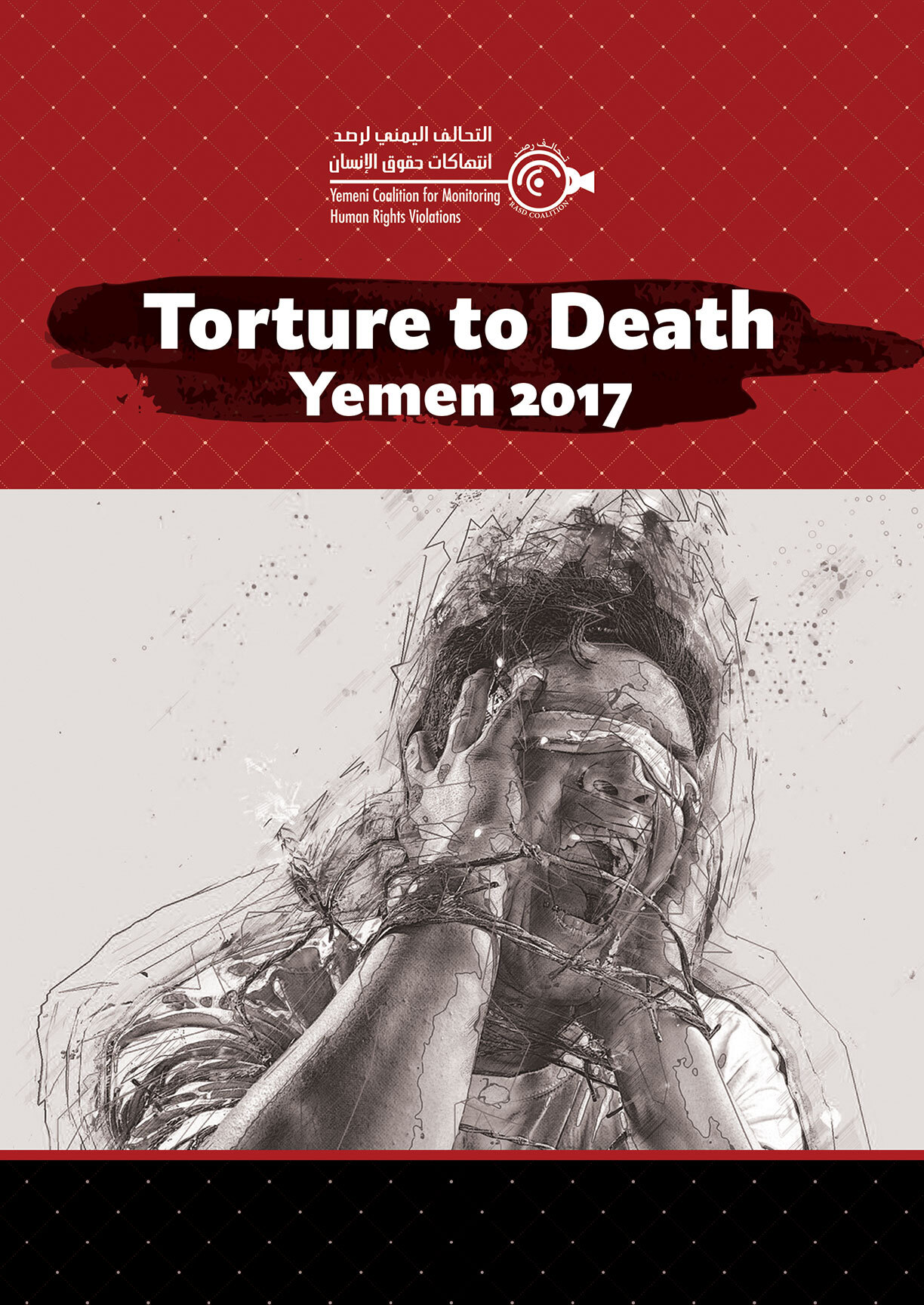
Torture to Death - Yemen 2017
Torture and other ill- treatment continue to be used by the Houthi-Saleh militia, terrorist groups and, to a lesser extent, the pro-Hadi government forces. Torture crimes continue to be widespread in prisons, detention centers in Yemen where human rights conditions have deteriorated following the takeover of Yemen’s legitimate government by the Houthi-Saleh militias and the ensuing conflict between the pro-Hadi government forces backed up by the Arab Coalition forces on the one hand, and the Houthi-Saleh militias on the other. By the end of 2017, the Houthi-Saleh alliance suffered a crackdown, which ended in the killing of ex-president Ali Abdullah Saleh on 4 December 2017 at the hands of his allies, the Houthi group.
This report documents the monitoring process of 28 victims of torture to death between 1 January and 31 December 2017. Out of these 28 victims, 22 were men aged between 19 and 49 years as well as two children and one elderly person.
These cases of torture victims were documented in (11) Yemeni governorates, with (5) cases in Ibb, (4) in Hodeidah and Sa'ada each, (3) in Amanah (the Capital Secretariat), Taiz and Aden each, and (2) in Hajjah, while the other (4) cases were documented in Abyan, Al-Bayda, Shabwah and Amran with one case in each governorate.
The victims, who were tortured to death – and mentioned herein, were all civilian noncombatants, working as farmers, fishermen, entrepreneurs (workshop owners), workers, teachers, former soldiers, and activists. Most of them were also married and had and children.
Most of the abusive incidents against the victims of torture begin with abduction, detention and enforced disappearance. None of the torture victims was allowed any form of contact with the outside world, relatives, or any other human rights groups. Most victims' families were unable to obtain information about the fate or place of their detained relatives, especially in view of the frequent inter-district or inter-governorate transfers of the detainees.
Of the 28 victims who died of torture- documented in this report- the Houthi-Saleh group was responsible for the torture and death of 22 victims, while the pro-legitimate government forces were responsible for the torture and death of five victims and one victim died of torture by terrorist groups.
Compared to the number of victims of torture to death by the Houthi-Saleh militias, the number of torture victims in areas controlled by the pro-legitimate government forces appears to be lower. However, these cases remain alarming as human rights are being violated in cities and areas under the authority of the legitimate government.
This report concludes with a number of recommendations for the different parties to the conflict, human rights groups as well as international organizations and institutions to take the necessary actions so as to end abduction, arbitrary detention, enforced disappearance, torture and other forms of ill-treatment, and to prevent further deaths in prisons and detention centers.
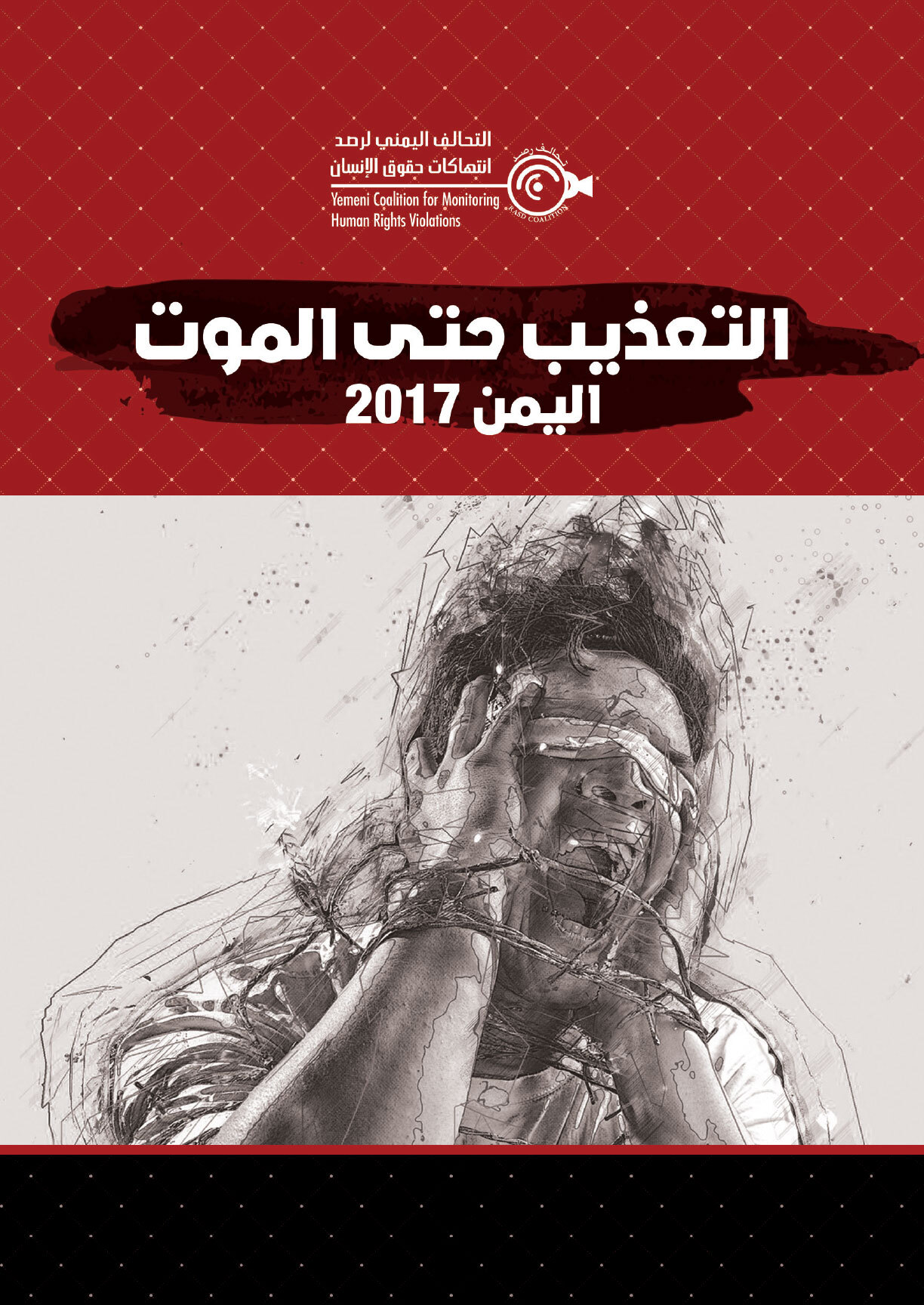
التعذيب حتى الموت - اليمن 2017
خلال الفترة من 1يناير/ كانون ثاني - 31ديسمبر/ كانون أول 2017م
استمر ارتكاب التعذيب وغيره من ضروب المعاملة السيئة في اليمن على أيدي ميليشيا الحوثي- صالح والجماعات الإرهابية، وبشكل أقل القوات الأمنية التابعة لسلطة الحكومة الشرعية، حيث غدت جرائم التعذيب ترتكب على نطاق واسع، وتقع هذه الانتهاكات غالبًا في السجون وأماكن ومراكز الاحتجاز، في ظل ظروف تدهورت فيها أوضاع حقوق الإنسان في اليمن منذ الانقلاب الذي قادته ميليشيا الحوثي – صالح على السلطة الشرعية، وما أعقبه من تطورات تمثلت بنشوب حرب بين السلطة الشرعية المدعومة من التحالف العربي من جهة؛ والميليشيا الانقلابية (جماعة الحوثي-صالح) المدعومة من إيران من جهة ثانية، ثم ما شهد هذا التحالف بين المليشيا الانقلابية مع نهاية العام 2017م تصدعا واضحًا أد إلى مقتل الرئيس السابق علي عبدالله صالح في 4/12/2017م، على أيدي جماعة الحوثي.
لقد شملت عملية الرصد التي يوثقها هذا التقرير (28) شخصًا توفوا تحت التعذيب خلال المدة من 1 يناير/ كانون الثاني – 31 ديسمبر/ كانون أول 2017م، ومن بين هؤلاء (22) رجلاً، تراوحت أعمارهم بين 19 -49 عاما، وطفلين، وشخص واحد كبير السن.
كما توزعت هذه الضحايا على (11) محافظة يمنية، وهي محافظة إب (5) حالات، ثم محافظتي الحديدة وصعدة بواقع (4) حالات في كل منهما على حدة ، ثم محافظات أمانة العاصمة وتعز وعدن؛ بواقع (3) حالات وفاة في كل محافظة، وكذا في محافظة حجة حالتان (2 )فيما توزعت الـ (4) الحالات المتبقية على محافظات أبين والبيضاء وشبوة وعمران؛ بواقع (حالة واحدة) في كل محافظة من هذه المحافظات.
وجميع الضحايا الذين توفوا بسبب تعرضهم للتعذيب- الذين يشملهم هذا التقرير- مدنيون ولم يشاركوا في أي أنشطة عسكرية، وكان أغلبهم يعملون في أنشطة ومهن مختلفة، من بينهم مزارعون، وصيادون، وأصحاب أعمال خاصة (ورش)، وعمال، ومدرسون، وطلاب، وعسكريون سابقون، وناشطون، ومعظمهم متزوجون ولديهم أسر وأبناء.
تبدأ معظم الحوادث المسيئة التي تعرض لها ضحايا التعذيب؛ بالاختطاف أو الاعتقال والإخفاء القسري، ثم لا يُسمح لأي من ضحايا التعذيب الاتصال بالعالم الخارجي أو الأهل والأقارب أو أي جهة حقوقية ، كما لا يتمكن معظم أهالي الضحايا من الحصول على معلومات عن مصير ذويهم المحتجزين أو أماكن تواجدهم طيلة فترة احتجازهم، خصوصًا وأنه كان ينقل بعض هؤلاء الضحايا من سجن إلى آخر في إطار المديرية أو المحافظة التي اختطف فيها، أو من محافظة إلى أخرى.
ومن بين الـ (28) الضحية التي توُفيت تحت التعذيب- وثقها هذا التقرير- كانت جماعة الحوثي- صالح مسؤولة عن وفاة (22) ضحية منها، فيما كانت السلطات الأمنية المنضوية تحت سلطة الحكومة الشرعية، مسؤولة عن وفاة (5) ضحايا، في حين توفيت ضحية واحدة بسبب تعرضهما للتعذيب على أيدي الجماعات الإرهابية.
وعلى الرغم من أن عدد من توفوا تحت التعذيب في المناطق تخضع لسيطرة الحكومة الشرعية تبدو أقل عند مقارنتها بتلك التي اقترفتها ميلشيا الحوثي- صالح؛ فإنها تظل مبعث قلق خطير على انتهاكات حقوق الإنسان في المدن والمناطق الخاضعة لسلطة الحكومة الشرعية.
يتضمن هذا التقرير عددًا من التوصيات لأطراف النزاع المختلفة وللمنظمات الحقوقية والمنظمات والمؤسسات الدولية؛ لبذل ما في وسعهم ووضع حد للاختطاف والاعتقال التعسفي والإخفاء القسري واستخدام التعذيب وغيره من ضروب المعاملة السيئة، والحيلولة دون وقوع المزيد من الوفيات في السجون وأماكن الحجز.