Incident: |
The killing of a child by a Houthi supervisor in Al-Jawf governorate |
Date: |
July 12, 2025 |
Location: |
Jabb area, Al-Maraziq in Khub wa al-Sha’af district, Al-Jawf governorate, which has been under Houthi control since January 2020 after armed clashes with Yemeni government forces |
Type of Violation: |
Media disinformation about the killing of a child at the hands of a Houthi commander |
Introduction: The Double Crime in Armed Conflict
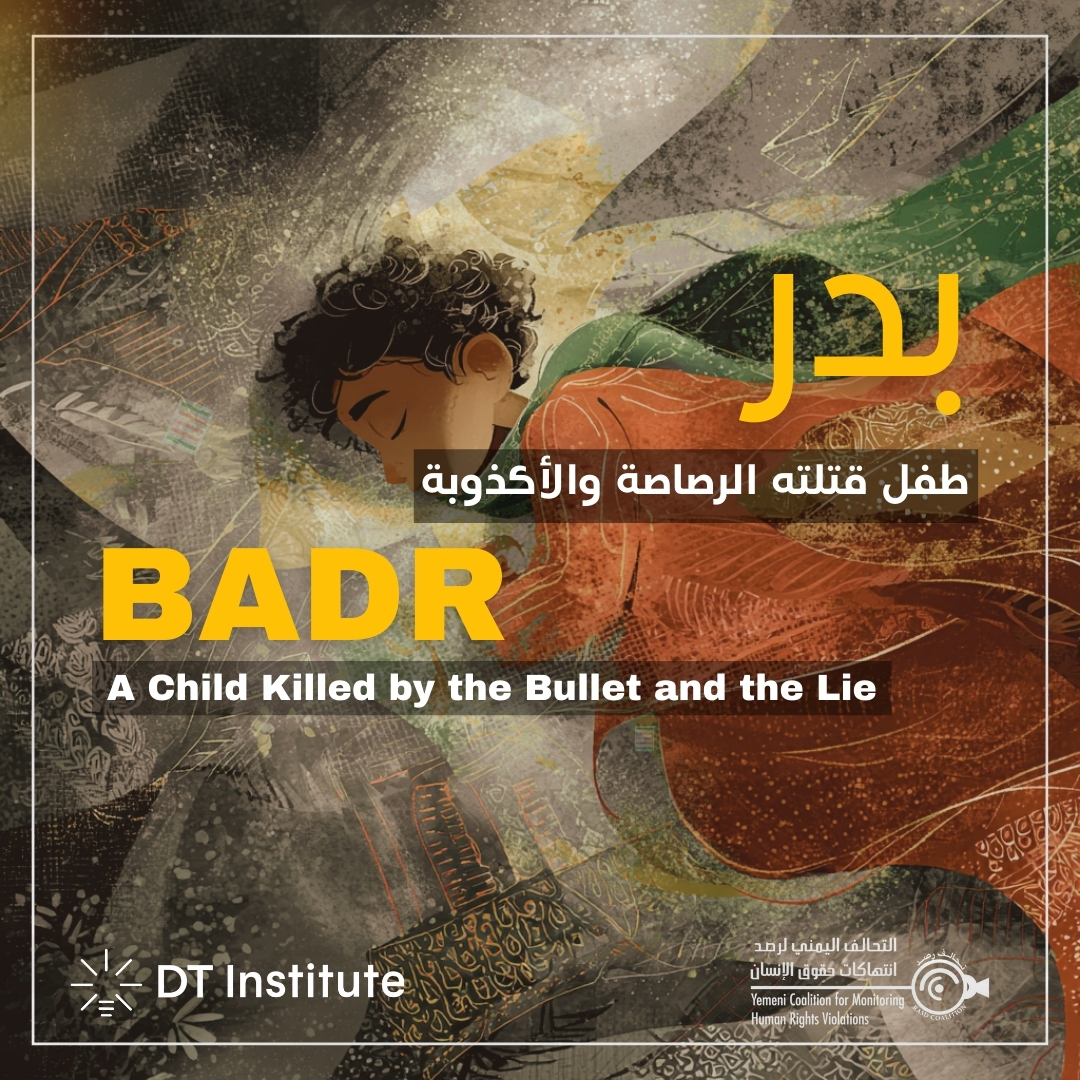
On July 12, 2025, at a Houthi-controlled military site in al-Maraziq area of Al-Jouf governorate, 14-year-old Badr Aidan drew his last breath when Houthi supervisor Abdullah Al-Ghwaibi fired three Kalashnikov bullets at him. But it was not only those three bullets that ended Badr’s life; the machinery of media disinformation acted as a fourth bullet, aimed at killing the truth and absolving the perpetrator.
Badr came from Al-Qasbah village in Al-Matoun district—one of the poorest villages in Al-Jouf, under Houthi control since January 2020. According to documentation by Rasd Coalition, Badr was recruited under the pretext of “supporting Gaza and defending Palestine,” a narrative recently used by the militia to market child recruitment.
On the day of the incident, Badr was with a group of child recruits at the “Jabb” military site when Al-Ghwaibi asked him to fetch a bottle of water. Badr refused, leading to a verbal altercation that ended with gunfire. According to an eyewitness:
“Al-Ghwaibi threatened Badr, saying: ‘If you don’t bring me the water, I’ll shoot you.’ The boy defiantly replied: ‘Do it if you can.’ Then came the three bullets.”
Background and Context
Al-Jouf governorate, under Houthi control since early 2020, suffers from extreme poverty and a lack of access to independent media. These conditions make child recruitment and exploitation easier. Recruitment campaigns often exploit the Palestinian cause, framing it as a religious duty to mobilize impressionable youth.
This report documents the extrajudicial killing of child recruit Badr Hussein Aidan, 14, by his Houthi supervisor in Al-Jouf on July 12, 2025. It establishes a direct link between the physical act of violence and the systematic disinformation campaign that followed, designed to erase accountability.
Badr’s case is not isolated but rather illustrative of a Houthi pattern: committing a primary violation (such as killing or recruitment), then following it with a secondary violation through the commodification of information. This “double crime” strategy aims to numb public outrage, intimidate victims’ families, and create a culture of impunity by stripping victims of their truth and identity.
The Incident: Timeline of Horror
On July 12, 2025, inside the Houthi military site in al-Maraziq, a verbal altercation erupted between Badr and his supervisor, Abdullah Al-Ghwaibi. The dispute began when Badr refused to bring him a bottle of water. Witness reports confirm that Al-Ghwaibi explicitly threatened: “If you don’t bring me the water, I’ll shoot you.”
Badr refused to obey. In a brutal act, Al-Ghwaibi fired three shots from his Kalashnikov. One bullet struck Badr, killing him instantly, while the other two hit the ground near his body. After the incident, Badr’s corpse was taken to a morgue in Al-Hazm city. In defiance of the prevailing culture of impunity, his family refused to receive the body, demanding instead that the perpetrator be brought to justice and punished.
Anatomy of Disinformation: The Second Crime
Within hours of the killing, a coordinated disinformation campaign was launched, revealing a deliberate strategy to distort the narrative.
- Stage One: Role Reversal.
Media outlets began pumping out conflicting and false reports. The website Al-Mashhad Al-Yemeni fabricated a story about “random gunfire” that killed a “man in his twenties.” Crucially, this narrative flipped the roles, portraying Badr not as a victim but as a perpetrator who mistakenly killed a friend. This initial lie was seemingly designed to confuse the public and absolve the real killer.
- Stage Two: Narrative Flooding.
As the truth began to surface, multiple contradictory accounts were circulated to sow doubt. Some stories claimed the dispute was over “financial dues,” others—closer to the truth—over a water bottle. This tactic, known as narrative flooding, aims to saturate the information space, making it harder for a single truth to stand out and allowing audiences to select the version that aligns with their biases.
- Stage Three: Normalization through Euphemism.
Pro-Houthi activists and influencers on social media began describing the crime as a mere “slip” or “unfortunate mistake.” This euphemistic framing sought to downgrade a deliberate war crime into a trivial mishap, reducing public outrage and bypassing traditional tribal justice mechanisms that would otherwise demand accountability.
Legal Analysis: A Chain of Violations
Badr’s killing and its cover-up represent multiple violations of international law:
- Child Recruitment as a War Crime.
The Rome Statute of the International Criminal Court (Article 8) criminalizes the recruitment and use of children under 15 in hostilities, recognizing it as a grave breach of international humanitarian law.
- Unlawful Killing.
The deliberate killing of anyone under the control of an armed group constitutes a serious violation of the Geneva Conventions and a war crime.
- Denial of the Right to Truth.
The deliberate distortion of the circumstances surrounding Badr’s death violates the right of his family—and society at large—to know the truth about gross human rights violations.
Conclusions and Patterns
Badr Aidan’s case demonstrates a recurring Houthi pattern:
- Primary violation: the material act of recruiting and killing a child.
- Secondary violation: the information operation—through a staged, multi-layered disinformation campaign—designed to erase the original crime, distort the victim’s identity, and protect the perpetrator.
This shows that disinformation is not an accidental by-product but an integral tactical component of the violation itself. It amplifies the abuse, ensuring that crimes are not only committed but also justified or erased from public memory.
Badr’s story is not just an isolated tragedy—it is a case study of a systematic machine of violence and deception targeting children in Yemen. Here, disinformation is not merely the falsification of facts; it is the continuation of the crime, denying victims their right to justice and truth.
“Badr was killed twice: once by the bullet, and once by the lie—the second was harsher.”
Conclusion: Recommendations
Emerging from its moral and human-rights responsibility, the Yemeni Coalition to Monitor Human Rights Violations (Rasd Coalition) issues the following urgent recommendations:
- To the United Nations:
The UN Panel of Experts on Yemen must immediately investigate this case and include findings on Houthi disinformation tactics in its periodic reports. The Special Representative for Children and Armed Conflict should issue a public condemnation and communication.
- To the Yemeni Government:
Officially refer this case and similar ones to the International Criminal Court, highlighting both the material violence and the systematic disinformation campaigns.
- To the International Community:
Impose targeted sanctions on individuals within the Houthi media apparatus identified as architects of these disinformation campaigns.
- To Human Rights Organizations:
Develop specialized methodologies for monitoring and documenting digital disinformation related to human rights violations in Yemen, thereby strengthening future accountability efforts.
الحادثة: |
مقتل طفل بانفجار مقذوف في رازح بصعدة |
التاريخ: |
12 يوليو 2025 |
مكان الواقعة: |
موقع جب منطقة المرازيق بمديرية خب والشعف في محافظة الجوف التي تسيطر عليها جماعة الحوثي، حيث سيطرت عليها الجماعة بعد معارك مسلحة في يناير 2020م مع قوات الحكومة اليمنية |
نوع الانتهاك: |
تضليل اعلامي لحادثة مقتل طفل على يد قيادي حوثي |
المقدمة: الجريمة المزدوجة في ظل النزاع المسلح
في الثاني عشر من يوليو 2025، وفي موقع عسكري تابع لمليشيا الحوثي بمنطقة المرازيق في محافظة الجوف، لفظ الطفل بدر عيدان أنفاسه الأخيرة بعد أن أطلق عليه المشرف الحوثي "عبدالله الغويبي" ثلاث رصاصات من سلاح كلاشنكوف. لم تكن الرصاصات الثلاث هي فقط ما أنهت حياة بدر، بل كانت آلة التضليل الإعلامي هي الرصاصة الرابعة التي سعت إلى قتل الحقيقة وتبرئة الجاني.
ينحدر بدر من قرية القصبة بمديرية المتون، واحدة من أفقر قرى محافظة الجوف التي تسيطر عليها مليشيا الحوثي منذ يناير 2020. وفقاً لوثائق تحالف رصد، تم تجنيد بدر تحت ذريعة "دعم غزة ونصرة فلسطين"، وهي الآلية التي تستخدمها المليشيا لتسويق تجنيد الأطفال مؤخرا.
في يوم الحادث، كان بدر مع مجموعة من الأطفال المجندين في موقع "جب" العسكري، عندما طلب منه الغويبي إحضار قنينة ماء. رفض بدر الطلب، مما أدى إلى مشادة كلامية انتهت بإطلاق النار. وفقاً لشاهد عيان: "الغويبي هدد بدر قائلاً: 'إذا لم تعطني الماء سأطلق عليك النار'، فرد الطفل متحدياً: 'بجهدك'.. فكانت الطلقات الثلاث."
الخلفية والسياق:
تتميز محافظة الجوف، الواقعة تحت سيطرة الحوثيين منذ أوائل عام 2020، بالفقر المدقع وضعف الوصول إلى الإعلام المستقل. هذه الظروف تسهل تجنيد واستغلال الأطفال. غالباً ما تستغل حملات التجنيد القضية الفلسطينية بطريقة مبطنة، وتصوّرها على أنها واجب ديني لتحشيد الشباب السهل التأثر. كان بدر حسين عيدان من قرية القصبة أحد هؤلاء الأطفال الذين تم تجنيدهم في صفوف المليشيا الحوثية.
يوثق هذا التقرير القتل خارج نطاق القضاء للطفل المجند بدر حسين عيدان (14 عاماً) على يد مشرفه الحوثي في محافظة الجوف في 12 يوليو 2025. ويؤسس التقرير لوجود صلة مباشرة بين الفعل العنفي المادي وحملة التضليل المنهجية التي أعقبت الحادثة بهدف طمس المساءلة. حالة بدر ليست معزولة بل هي نموذجية لطريقة عمل تتبعها قوات الحوثيين: تنفيذ انتهاك أساسي (كالقتل أو التجنيد) يليه انتهاك ثانوي عبر تسليع المعلومات. تهدف استراتيجية الجريمة المزدوجة هذه إلى تخدير المشاعر العامة، وترهيب أسر الضحايا، وخلق ثقافة من الإفلات من العقاب من خلال تجريد الضحايا من هويتهم وحقيقتهم.
الواقعة: خط زمني للرعب
في 12 يوليو 2025، داخل الموقع العسكري الحوثي في منطقة المرازيق، اندلع شجار كلامي بين بدر ومشرفه عبدالله الغويبي. بدأ النزاع بعد رفض بدر إحضار زجاجة ماء للغويبي. وتؤكد تقارير شهود عيان أن الغويبي هدد بدر صراحةً قائلاً: "إذا لم تعطني الماء سأطلق عليك النار".
رفض بدر الانصياع للأوامر، وفي فعل وحشي صارخ، أطلق الغويبي ثلاث طلقات من بندقية كلاشنكوف. أصابت إحدى الرصاصات بدراً وقتلته على الفور، بينما سقطت الأخريان قرب جثته. بعد الحادثة، نُقل جثمان بدر إلى ثلاجة في مدينة الحزم. ورفضت أسرته، في تحدٍ لثقافة الإفلات من العقاب السائدة، استلام الجثمان، مطالبةً بتسليم الجاني للقضاء لمحاكمته وتنفيذ القصاص.
تشريح التضليل: الجريمة الثانية
في غضون ساعات من القتل، تم إطلاق حملة تضليل منسقة، كشفت عن استراتيجية متعمدة لتحويل الرواية.
المرحلة الأولى: قلب الأدوار. تناولت وسائل إعلام مختلفة هذه الحادثة، ولكن كان هناك ضخ لمعلومات متضاربة وغير حقيقية. قدم موقع "المشهد اليمني"، رواية كاذبة تتحدث عن وقوع "انطلاق عشوائي" أدى إلى مقتل "شاب عشريني". وبشكل حاسم، قلبت الأدوار، وقدمت الطفل بدر ليس كضحية بل كجان قتل صديقه بالخطأ. ويبدو أن هذه الكذبة الأولية صممت لإرباك الرأي العام وتبرئة الجاني الحقيقي.
المرحلة الثانية: إغراق السرد. مع بدء ظهور الحقيقة، تم الترويج لروايات متضاربة لخلق الشك. تم ترويج سرديات بديلة تشير إلى أن النزاع كان حول "مستحقات مالية" أو، بشكل أقرب للحقيقة، حول زجاجة الماء. هذه الاستراتيجية، المعروفة باسم إغراق السرد، تهدف –كما يبدو- إلى إرباك الفضاء المعلوماتي، مما يصعب على الحقيقة الواحدة أن تبرز ويسمح للجمهور باختيار الرواية التي تناسب تحيزاتهم.
المرحلة الثالثة: التطبيع عبر التلطيف اللفظي. بدأ ناشطون ومؤثرون على مواقع التواصل الاجتماعي ينتمون للحوثيين بوصف الجريمة على أنها "زلة" – خطأ أو هفوة مؤسفة. وكما يبدو، يسعى هذا التلطيف اللغوي إلى تخفيض تصنيف جريمة حرب متعمدة إلى حادث تافه، مما يقلل من الغضب المجتمعي ويتجاوز آليات العدالة القبلية التقليدية التي كانت تطالب بالمساءلة.
التحليل القانوني: سلسلة من الانتهاكات
يشكل قتل بدر والتغطية عليه انتهاكات متعددة للقانون الدولي، فتجنيد الأطفال "جريمة حرب"، يجرم نظام روما الأساسي للمحكمة الجنائية الدولية (المادة 8) تجنيد واستخدام الأطفال دون سن الخامسة عشرة في الأعمال العدائية، ويعتبره انتهاكاً جسيماً للقانون الدولي الإنساني.
وتنطوي الواقعة على قتل غير قانوني، إذ يشكل القتل العمد لأي شخص تحت سيطرة جماعة عسكرية مسلحة انتهاكاً خطيراً لاتفاقيات جنيف وجريمة حرب. كما تنطوي على انتهاك للحق في الحقيقة، فالطمس المتعمد للوقائع المحيطة بموته ينتهك حق عائلة بدر والمجتمع في معرفة ظروف انتهاكات حقوق الإنسان الجسيمة.
الاستنتاجات والأنماط:
تظهر حالة بدر عيدان نمطاً متكرراً في عمل الحوثيين حيث هناك انتهاكين أساسي وثانوي، والانتهاك الأساسي في هذه الحالة هو الفعل المادي المتمثل بتجنيد طفل وقتله لاحقاً، أما الانتهاك الثانوي فهو في العملية المعلوماتية التي جاءت على شكل حملة تضليل منسقة متعددة المراحل مصممة لمحو الانتهاك الأساسي، تشويه هوية الضحية، وحماية الجاني.
يشير هذا النمط إلى أن التضليل المعلوماتي ليس منتجاً ثانوياً، بل هو مكون تكتيكي متكامل للانتهاك نفسه. إنه مُضاعِف للقوة للإساءة، يضمن عدم ارتكاب الجرائم فحسب، بل وتبريرها أو محوها من الذاكرة العامة.
قصة بدر ليست مجرد حادثة فردية، بل هي نموذج لآلة عنف وتضليل ممنهجة تستهدف الأطفال في اليمن. التضليل الإعلامي هنا ليس مجرد تزوير للوقائع، بل هو استمرار للجريمة عبر حرمان الضحايا من حقهم في العدالة والحقيقة. "بدر قُتل مرتين: مرة بالرصاص ومرة بالأكذوبة.. والثانية أقسى."
الخلاصة: التوصيات
انطلاقا من مسؤوليته الأخلاقية والحقوقية، يوجه التحالف اليمني لرصد وتوثيق انتهاكات حقوق الانسان (تحالف رصد) عدد من التوصيات الهامة إلى عدد من الجهات المعنية التي يطالبها أيضا بسرعة اتخاذ إجراءات ملموسة لحماية وإنقاذ أطفال اليمن مما يتعرضون له من انتهاكات خطيرة، والتوصيات هي كالتالي:
إلى الأمم المتحدة: يجب على فريق الخبراء المعني باليمن التابع للأمم المتحدة التحقيق في هذه الحادثة فوراً وإدراج النتائج المتعلقة بتكتيكات التضليل الحوثية في تقاريره الدورية. يجب على الممثل الخاص المعني بالأطفال والنزاع المسلح إصدار إدانة علنية.
إلى الحكومة اليمنية: إحالة هذه القضية وقضايا أخرى مماثلة إلى المحكمة الجنائية الدولية رسمياً، مع تسليط الضوء على جرائم العنف المادي والتضليل المنهجية.
إلى المجتمع الدولي: فرض عقوبات مستهدفة على الأفراد في الجهاز الإعلامي الحوثي الذين يتم تحديدهم كمهندسين لهذه الحملات التضليلية.
إلى منظمات حقوق الإنسان: تطوير منهجيات متخصصة لرصد وتوثيق التضليل الرقمي المتعلق بانتهاكات حقوق الإنسان في اليمن لدعم جهود المساءلة المستقبلية.